



Abstract
Due to increasing advancements in the field of technology the agricultural sector is experiencing a drastic change, this paradigm shift is the result of integrating technologies like Industry 5.0, Society 5.0, Internet of Things (IoT), Artificial Intelligence (AI), and Remote Sensing. The integration of these technologies helps in multiple aspects such as IoT sensors help in real-time data monitoring which includes parameters such as soil conditions, meteorological aspects„the valuable insights about overall crop health, and also help in promoting informed decision-making in agriculture. Cognitive systems of Industry 5.0, revolutionize manufacturing processes, enabling predictive maintenance, real-time data analyses, and autonomous decision-making for increased production efficiency. Implementing digital twin technology further boosts this transformation process by creating dynamic representations of agricultural systems. Digital twins simplify complex interactions for farmers by integrating data obtained from diverse sources. This paper explores the relationship between Industry 5.0, smart farming practices, implementation of the latest techniques like IoT, and digital twins, understanding their impact on precision agriculture, sustainable farming, and efficiency. In conclusion, this study demonstrates how Industry 5.0 technologies, including digital twin technology, possess the potential to revolutionize agricultural operations, enhance crop yields, foster sustainability, and prepare agriculture for the challenges of a rapidly changing global environment.
Keywords
Introduction
To achieve a sustainable future in agriculture, several critical adjustments are essential in agricultural practices, including techniques involved in harvesting, crop management, and livestock management along with the implementation of other innovative management approaches. In the realm of digital monitoring methods, data collected from diverse sources, including images, and ground-based sensors is meticulously organized and categorized by location. These digital technologies, introduced under the domain of Industry 5.0, play the crucial role of intermediaries, delivering essential data to decision support platforms.
Use of Internet of Things (IoT) and artificial intelligence (A.I) in smart farming
Within the domain of smart farming, the Internet of Things (IoT) assumes a pivotal role, functioning as a sophisticated coordinator that facilitates seamless communication among smart devices through sensor-driven interactions [40,52].This connectivity goes beyond specific devices and include larger networks, for example ad hoc and optical signaling networks. The integration of IoT with these cutting-edge innovations is widely acknowledged because of its ability to provide highly responsive, real-time digital data flow. This has a substantial positive impact on agricultural services and process optimization, especially when it comes to integrating them with extensive network systems. By using IoT in smart farming practices farmers can monitor crop health,enhance usage of resources, and embed in large scale network infrastructures to improve agricultural productivity and sustainability. Along with IoT other technologies such as AI are being used in smart farming to resemble human-like capabilities and decision making processes, offering significant benefits to this domain [24]. AI helps in optimizing resource allocation and crop management along with storing large datasets and providing necessary insights to this domain. The AI can be integrated to smart farming along with the various network architectures, sensors etc, which are used in the fields. This creates a detailed format which helps to improve decision making and increase the overall effectiveness of smart farming techniques.
Digital twin in the farming
Agricultural systems can be represented and understood through the application of digital twin technology, which are used to overcome current technological limitations. Their dynamic, real time models provide a complete view of the agricultural ecosystems by combining data from many sources that they collect and utilize. A unique ecosystem that supports the concept of smart farming is further developed by the use of digital twins and network infrastructures [33]. Agricultural techniques become more efficient, sustainable, and precise when this combination is used.Remote sensing, on the other hand, uses tools that are carried by aircraft, drones, and satellites to gather and assess data regarding the physical features of land in addition to these approaches. This covers places like cities, forests, and other places that are not accessible by foot. When combined, digital twins and agriculture have the power to redefine the meaning of smart farming. This paper initiates with a thorough discussion of this concept, delving into the idea, its relation with smart farming, and the extensive uses of digital twin technology in the field of agriculture. The idea of digital twins, which refers to an electronic version of a physical version that is continuously linked to it through data transfer, represents an important convergence of digital and physical, or real world, aspects.
Digital twins in industries
Digital twins have a significant influence on a number of industries and provide a number of advantages that facilitate innovation, expedite organizational procedures, and allow for well-informed decision making [65]. They improve production processes, anticipate maintenance requirements, and raise product quality in manufacturing. Various domains of application of digital twin are depicted in Fig. 1.
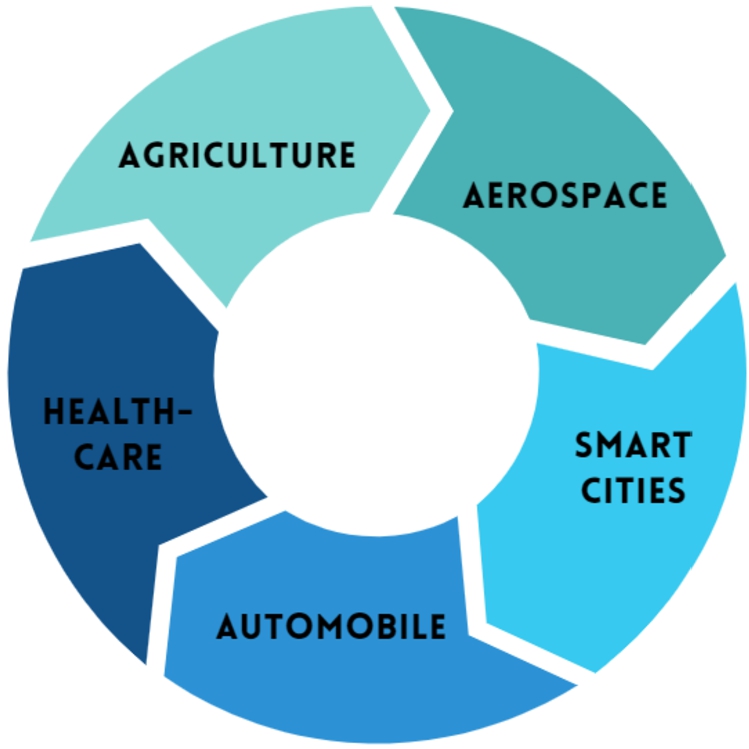
Applications of digital twin in various industries.
Digital Twins are transforming agriculture by integrating real-time data to create virtual models of fields and crops, enabling precision farming techniques. These virtual replicas empower farmers to simulate various scenarios and predict crop yields accurately, facilitating data-driven decisions to maximize productivity while minimizing environmental impact. This advancement enhances efficiency, sustainability, and profitability in agriculture. Similarly, in healthcare, digital twins revolutionize treatment personalization by creating virtual replicas of patients’ physiology. These models enable accurate simulations for predicting outcomes and optimizing individualized treatment plans, thereby enhancing healthcare delivery and improving patient outcomes. In the aerospace industry, digital twins facilitate predictive maintenance and performance monitoring by creating virtual replicas of aircraft components and systems. This allows proactive maintenance to prevent costly downtime or safety concerns, while real-time monitoring optimizes fuel efficiency, reduces emissions, and enhances reliability, ensuring safer and more efficient operations. Moreover, digital twins are revolutionizing urban planning and management in smart cities. By creating virtual replicas of entire cities, planners can simulate development scenarios to inform decision-making around infrastructure investments, zoning regulations, and public services. Real-time monitoring enables city officials to address issues like traffic congestion and air pollution promptly, improving quality of life and promoting sustainability and resilience. In the automotive industry, digital twins drive innovation in vehicle design, manufacturing, and maintenance. Virtual replicas of vehicles and production processes enable simulation for optimizing designs and reducing time-to-market and development costs. Predictive maintenance allows proactive monitoring of vehicle health, enhancing safety and reliability for drivers while delivering higher-quality vehicles and services. In the following section, the key characteristics, components, and typologies that comprise the concept of the digital twin are discussed [5]. This conceptual knowledge offers the essential structure for an in depth analysis of their many benefits in a variety of industries. Other industries outside of agriculture lay the levelwork for further research into the possible integration of these technologies with farming. A relationship between digital twins and smart farming acts as a potential solution to existing problems in the agricultural sector. This paper highlights the role that technology plays in innovating farming practices and the necessity of finding novel approaches to address concerning issues [52,65]. These illustrations showcase the easy integration of digital twins into agricultural practices, emphasizing their critical function in precisely managing crops, keeping an eye on animals, and assessing soil health [21].
Exploring in further detail, the paper highlights the impact of IoT on agriculture. Projects demonstrating the usage of IoT in practical applications, such as Sensing Change and the Smart Water Management Programme (SWAMP), serve as examples [70]. These applications versatility of IoT; from building platforms for data driven decision making to designing instruments for data collection, they cover the whole agricultural requirements as depicted in Fig. 2. Due to its versatility, digital twins today find a place in vertical farming techniques [42]. Within this framework, climate control powered by IoT is the key concept, optimizing conditions to increase agricultural output. The system depends on various sensors like DHT22, TSL2561, and MG811 [40].

Usage of IoT in agriculture [15].
For an efficient crop disease detection the pairing of deep learning and improved sensors with digital twins unfolds major capabilities. This combination allows for early and accurate illness diagnosis by combining the individual strengths of optical, thermal, and conductivity sensors. Disease diagnosis is revolutionized these sensors with digital twins Crop diseases may be identified with great accuracy and efficiency due to the advanced technologies in use. For example, an optical sensor on one hand can analyze even the smallest changes in a plant’s color, whereas a thermal sensor on the other side can be used to detect temperature changes linked to disease. This shows how digital twins have shown its impact on previous trends and the agricultural landscape. Digital twin sensor technology, when combined with agro-industrial knowledge, transforms agriculture and other industries by providing accurate insights for sustainable practices.
Smart farming: Transforming agriculture
This section explains about smart farming, what it is made of, and how it uses gadgets to make farms better [9]. These gadgets use smarts (like artificial intelligence) to figure things out in real time, keep machines healthy, and help farmers do their jobs even better. This makes food production go faster and smoother.
Components of smart farming
Smart farming mainly refers to the use of technology to optimize agricultural processes for maximum yield, increase productivity, and promote sustainability. It involves using data driven insights, IoT devices, precise equipment, and automated processes in place to produce well-informed decisions that lead to effective outcomes [13]. The major elements of smart farming are shown in Fig. 3.

Components of smart farming.
Real time data collection and processing from several sources, including satellites, weather forecast stations, and field sensors, providing insights about crop health, soil properties, and environmental aspects [36]. IoT equipment, such as GPS enabled tractors, controlled irrigation systems, and soil moisture sensors, heavily depends on data collection and transfer [48]. They are essential in monitoring, controlling, and enhancing farming methods. Smart farming integrates precision agriculture techniques. This empowers farmers to tailor inputs like water, fertilizers, and pesticides to the distinct conditions of their fields. Automation technology and robotic systems are essential for tasks that require labor, including plantation work, harvesting, and monitoring. These innovative tools simplify operations and ensure consistent outcomes [26].
Smart farming depends primarily on technology, automation, and robots to increase agricultural productivity in a number of ways. The high productivity that results from a decline in the requirement for human labor, particularly for tasks like planting, weeding, and harvesting, is one of its primary advantages. Furthermore, combining drones with satellite photography makes it easier to monitor large agricultural areas, making the most use of limited resources. Additionally, data-driven decision making is prioritized by smart farming by giving farmers access to real-time data collection and analysis tools. Farmers can maximize productivity by closely monitoring critical parameters such as crop health, weather patterns, and soil moisture and acting accordingly. Technology also aids in resource management as it allows for precise control over resources like energy, fertilizers and water. For instance, automated irrigation systems reduce waste production by managing soil moisture levels and water flow. Smart farming goes beyond efficiency to promote sustainable methods that lessen resource waste and agriculture’s overall environmental effect..
Challenges and the necessity for innovative agricultural solutions
Agriculture sector is severely impacted by some of the problems which are primarily population growth, climatic changes, and decreasing amount of arable land. Conventional approaches are not enough to solve these issues effectively in today’s time. With the increasing world population, efficient food production by utilizing data, automation, and precise techniques is needed, which can be fulfilled by IoT enabled smart farming [4]. The extensive usage of IoT devices in agriculture, such as sensors and actuators, provides real time data about crop health, weather patterns, and soil conditions. Robots and automation made possible by IoT technology not only replaces the labor shortage but also boost overall operational effectiveness. It is also a vital tool for ensuring environmental sustainability and food security since it minimizes the environmental impact of agriculture through resource optimization. The endless potential of smart farming is reshaping the picture of agriculture. It uses data, automation, and accurate procedures to overcome the challenges caused by resource scarcity, population growth, and climate change. Today technology has made the agriculture sector more productive and efficient, and made agricultural practices more resilient and sustainable [37]. A prime example of this innovation is the idea of smart farming, which offers concepts that lead agriculture towards a more prosperous and sustainable future in order to feed growing populations while preserving the environment. Table 1 discusses the problems that intelligent farming techniques can assist with:
Solutions to existing challenges using digital twin
Solutions to existing challenges using digital twin
Imagine an user interface which can conveniently be accessed using simple devices like phones or tablets, that showcases the wellbeing of crops, without examining them manually on ground level. This is a major application of digital twin to make lives easier [48]. They’re like virtual copies of farms, fields, and even animals, using real-time data to help farmers make smarter and accurate decisions based on multiple types of data collected using various sensors. This is leading to a new way of farming, with bigger yields and less waste. This section discusses about the working of digital twins work and its contribution in changing the lives of farmers around the world.
Digital twins in farming practices
Agriculture is dependent on digital twins, which have been used in business and engineering. A dynamic interaction between the digital and physical worlds is encouraged by reproducing real-world objects such as machinery, tools, livestock, and crops in virtual form. With real-time data, projections, and simulation tools provided by this association, farmers are better equipped to make educated decisions. Data gathering and the use of IoT devices and sensors to ensure a steady flow of information are steps in the integration process. Insightful conclusions are then produced by models and algorithms that evaluate the data. Next, a virtual clone of the real thing with all of its features is created, called a digital twin. Specialists from diverse fields, including technology, agriculture, environmental science, and policy, can collaborate to maximize the benefits of Industry 5.0 technologies for sustainable agricultural development. Through interdisciplinary teamwork, they can integrate cutting-edge technologies and domain-specific knowledge to innovate solutions. This collaborative effort aims to optimize resource utilization, mitigate environmental impacts, and formulate effective policies for resilient and sustainable agricultural practices. In addition to guaranteeing ongoing data sharing and connectivity to the physical thing, this digital twin enables real-time control and monitoring. The digital twin’s data then impacts strategic decision-making in smart farming, impacting areas such as resource allocation and crop management [20,37]. Some of the major benefits of using digital twins are highlighted in Table 2
Advantages of digital twins in agriculture
Advantages of digital twins in agriculture
Farmers are using digital twins to their advantage in the real world by coming up with workable fixes for better methods. For example, they employ digital twins to monitor crop health closely, forecast yields, and adjust watering techniques. Precise operations are informed by the integration of data from sensors and satellite photography. By monitoring the behavior, health, and reproductive cycles of animals, digital twins improve the management of livestock. This guarantees ideal circumstances and optimizes output. It analyzes soil data to find the pH balance, moisture content, and nutrient levels. This information promotes soil health and directs fertilization techniques [26]. In addition to these advantages, it makes intelligent irrigation possible by assessing soil moisture content and weather projections. In doing so, water supplies are preserved and overwatering is avoided [56]. One technology advancement that has the potential to completely change agriculture is the use of digital twins. The accuracy, effectiveness, and sustainability are encouraged when they are included into farming methods. Farmers may make well-informed decisions that increase production and reduce risks by utilizing digital twins, which provide current information, forecasting, and simulation capabilities. As real-world examples continue to show their effectiveness, digital twins open up the possibility of an agricultural future that strives on the link among innovation and practical application.
Key applications of digital twins in smart farming
The way farms function has significantly changed as a result of the use of technology in agriculture. This section examines its application in farming, emphasizing the important impact on precision crop management, animal care, and soil health monitoring [7,41]. Examining the application of speculative parallelism when combined with digital twins is one way to boost efficiency [29]. A computer science concept known as “speculative parallelism” involves executing multiple processes concurrently with the expectation that at least one of them will yield useful results [27,28]. Many studies mention the use of various technologies used in smart farming, compiling a percentage graph which shows which technology is more popular than the other in Fig. 4.
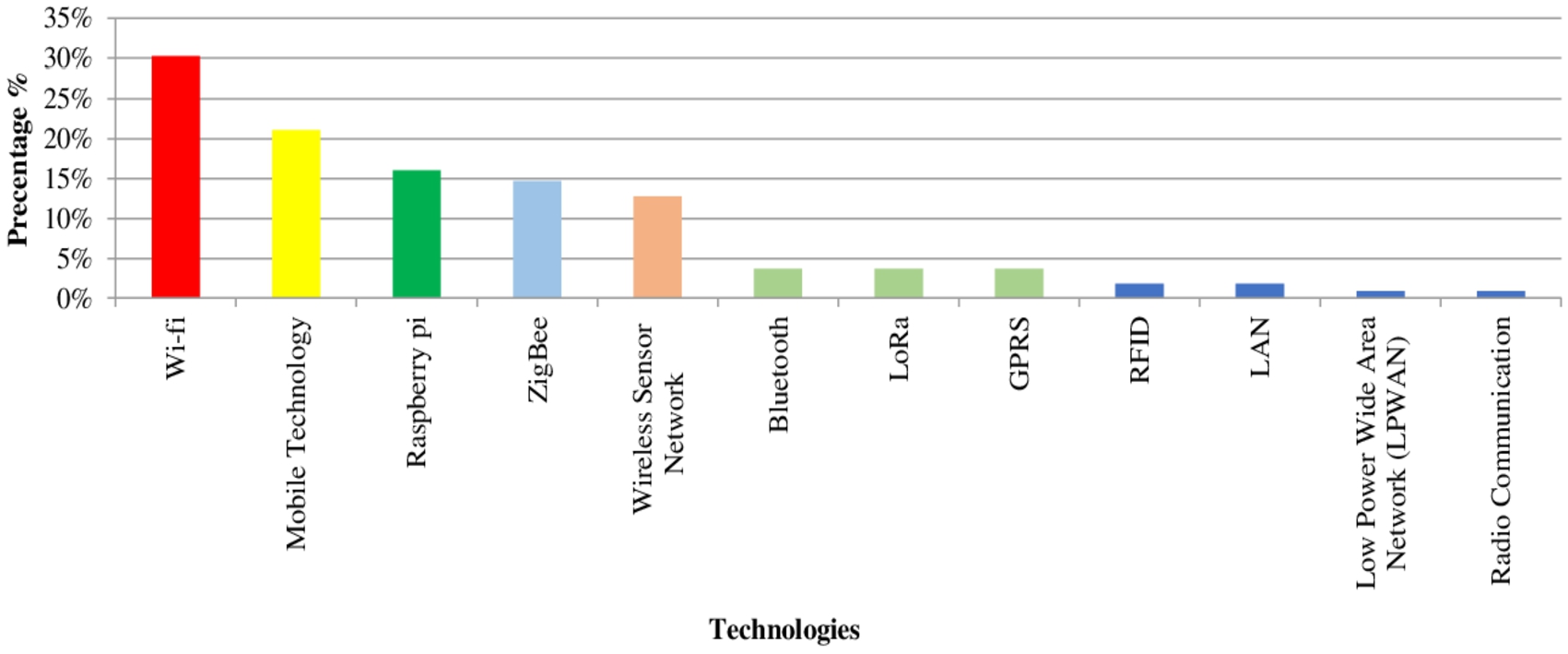
Most popular technologies used in smart farming practices [37].
Plants exhibit various growth and developmental processes that are impacted by various factors, including weather patterns, climatic conditions, biological, chemical, and physical processes within the plants and the surrounding soil, as well as external factors such as diseases, pests, and numerous other elements. Digital twin creates a replica of the precision crop management systems to identify possible risks, plant diseases, climate impacts, soil conditions etc [44]. Utilizing digital twin technology, precision crop management optimizes agricultural methods by customizing treatments to individual crop needs and field circumstances [63] [3]. Using CNN-based models helps analyze crop images early, catching diseases or pests for timely actions by farmers [38]. Another useful technology is the dense RFB-FE-CGAM, which detects and monitors specific crops or vegetation patterns in satellite images. This helps farmers in evaluating the condition of their crops and identifying problem regions, such as those requiring pest treatment or irrigation [32].
Water optimization
Digital twins use special sensors to check the soil moisture [69]. This helps farmers decide the perfect time to water. Nowadays, farmers use tools like sprinklers and drip systems, managed by digital twins, to spread water [31]. They even use apps on their phones connected to digital twins to make things easy. This way, farmers can watch and control their watering systems from far away, making changes whenever there is a need.
Energy optimization
In farming, energy is used for things like running machines and maintaining greenhouse conditions. Farmers are now using more energy efficient equipment, such as irrigation pumps powered by electricity or solar energy, to reduce energy usage. Farm equipment and machinery in agriculture have IoT sensors to check their working. Digital twins use this information to make the machines work better, using less energy, and plan when they need maintenance. Smart farming uses models like load balancing, which figures out the amount of work a virtual machine (VM) can handle, using machine learning and big data analysis. They improve the efficiency of agricultural data processing and decision support systems [39].
Fertilizer optimization
Applying fertilizers carefully is crucial for keeping crops healthy and maintaining the sustainability of the ecosystem. Digital twins play a big role in creating precise plans for managing nutrients by combining data on crop growth, soil nutrients, and past yields. Farmers can use special plans to put the right amount of fertilizer where it’s needed on their fields, reducing the chances of using too much and causing harm to the environment. One helpful technology for efficient fertilizer use is Variable Rate Application (VRA) technology, which puts fertilizer exactly where specific crops and soil need it [45]. Sensors connected through the IoT monitor plant health and soil nutrients, and digital twins use this data to suggest the right types and amounts of fertilizer [17]. With the data-driven support of digital twins, farmers can make well informed decisions about fertilization. Taking into account variables like crop growth, soil types, and historical yields is part of this [1]. Through the improvement of fertilization techniques and the computation of required nitrogen, phosphorus, and potassium amounts based on disease symptoms and soil parameters, technologies such as citrus fertilizer ontology improve accuracy [72].
Climate resilience
Climate resilience refers to the capacity of the virtual representations of agricultural systems to adapt and respond to changing climate conditions. Digital twins combine meteorological data from multiple sources, such as weather stations, satellites, and climate models, with climate data. Key information producing instruments found in weather stations include barometers, thermometers, and anemometers. Using numerical weather prediction models run on supercomputers, it can forecast extreme weather events including storms, droughts, and heatwaves. The consideration of climate related dangers by digital twins contributes to the optimization of resource allocation. Climate projections trigger adaptive irrigation systems, which are IoT connected and adjust their irrigation schedules accordingly [58].
Risk prediction
In agriculture, risk prediction is using virtual models to predict and evaluate potential threats such as extreme weather, disease outbreaks, or market fluctuations. With sensors, cameras, and imaging technologies at their use, digital twins keep a check for presence of any diseases and pests. Image identification and ML technology help in early detection. Farmers use secure cloud based systems for data sharing, employing digital twins and smartphone interfaces to model climate scenarios with fast simulations, real time updates, and continuous learning, enhancing risk assessment prediction models and climate resilience in smart farming through IoT device integration [14,34].
Case studies of IoT in smart farming
There are many case studies which show the positive results of IoT devices as digital twins in the agriculture industry in various aspects. Some of them are summarized below.
Case Study 1: Groundnut Pest and Disease Forewarning The first case study illustrates the application of IoT in enhancing agricultural practices, particularly focusing on groundnut cultivation in India. As the country’s agriculture stands at the threshold of transformation, the integration of modern electronics and IoT technologies emerges as a promising solution. Precision agriculture, facilitated by IoT, involves the use of wireless sensor networks (WSN) to monitor vital parameters such as climate, soil conditions, water availability, and the presence of pests and diseases [25]. The IoT system described in the paper is customized to address the specific needs of small and marginal farmers in India. Through end-to-end IoT deployment, the study presents a comprehensive approach for groundnut pest and disease forewarning. By collecting micro-climate data from the field using WSN nodes and analyzing it on a cloud server, the system generates timely alerts for farmers. These alerts, transmitted via SMS, provide valuable scientific knowledge to help farmers make informed decisions, ultimately maximizing crop yield and income.
Case Study 2: Gray Mold Disease in Castor The second case study delves into the development of a disease forewarning model for gray mold disease in castor crops, showcasing the versatility of IoT in addressing specific agricultural challenges. Collaborating with the Indian Institute of Oilseeds Research (IIOR), the research employs a WSN-based system to monitor micro-climate conditions in castor cultivation areas. The study deploys WSN nodes and canopy sensor devices to collect data on temperature, relative humidity, and leaf wetness. By correlating this data with disease incidence measured at different crop growth stages, the research aims to create a Percentage Disease Incidence (PDI) calculation. The ultimate goal is to develop a robust disease advisory model, leveraging decision rules and local aspects to provide timely warnings to farmers [25]. Through field trials and controlled environments, the researchers seek to refine the model, contributing to improved disease management strategies. This case study underscores the adaptability of IoT in addressing specific crop-related challenges and highlights the potential for developing precise advisory systems to benefit farmers.
Case Study 3: Smart Farming Revolution in Thailand This case study presents an innovative Smart Farm prototype in Thailand, a testament to the transformative impact of IoT technology in agriculture. Developed by Pannee Suanpang and Pitchaya Jamjuntr, the system employs sensors, a Raspberry Pi board, and a DHT22 sensor to create an automatic water control system [64]. The web-based application facilitates real-time data collection and display, enhancing farmers’ productivity and reducing costs. Successfully tested in Suphan Buri Province, Thailand, this IoT-powered smart farm prototype represents the evolution of traditional agriculture practices towards Agricultural 4.0.
Society 5.0 inspired framework for smart farming
At its core, a Digital Twin architecture involves a physical object in the real world, a corresponding digital version of this object in a virtual space, and the mechanisms for linking these two spaces to exchange data and information [16]. As explored earlier, IoT technologies are crucial in harmonizing the physical and virtual dimensions. The conceptual framework follows the implementation model derived from the IoT-A functional model, consisting of eight layers as shown in Fig. 5 [62]. These layers range from the device layer, attached to physical objects, to an application layer that involves engagement with users of the Digital Twin.

Stages of building a digital twin model for smart farming.
Device Layer: This layer provides the hardware components directly interfacing with physical objects, including tags for unique identification, sensors, and actuators. Key identification technologies employed in agriculture encompass (multi-dimensional) barcodes and RFID tags. Additionally, a wide array of sensors measures dynamic properties like temperature, crop size, humidity, light, moisture, CO2, ammonia, and pH values. Mobile devices, such as barcode/RFID readers and smartphones, support object sensing, enabling actions like visual quality inspections [6]. This layer also includes remote sensing conducted by satellites, aerial vehicles, and ground-based platforms. For instance, because of their high spatial and temporal resolution and versatility in image acquisition, drones are being used more and more. The last component of this layer are actuators which work for remote controlling the operations such as irrigation, lighting, coolers, tractor tools, and climate control systems.
Communication Layer: This layer manages the communication between various system components and IoT services [13]. It provides various tools for connecting together devices, networks, and data to ensure smooth and comprehensive communication.
IoT Service Layer: This layer makes it easy to gather information from sensors and send any necessary action related information to actuators [59].
Digital Twin and IoT Management Layer: It helps to interact with virtual objects in the IoT, provides access to complete data about digital twins, from sensors, applications, or databases. The IoT layer further provides an environment for creating, designing and executing processes that are aware of IoT. Process models are deployed to execution environments through IoT services in the Service Organization layer [19]. It serves as a centralized point for communication, coordinating and managing services across various levels.
Security Layer: This layer ensures the user security and privacy including parts like authorization, authentication, and identity management.
Management Layer: This layer constitutes system setup, error reporting, and system status which ensures the system works well. Application Layer: This layer provides intelligence for particular virtual object-based tasks. It involves digital twins at each stage for utilizing technologies like statistical forecasting, machine learning, modeling, and optimization tools [46]. This layer also includes user interfaces for dealing with Digital Twins. These interfaces can be complex or just 2D visuals, like those seen on tablets, smartphones, and personal computers.
Digital twins have a lot of potential in the context of smart farming inspired by Society 5.0, but their effectiveness depends on careful design. The primary objective is to improve agriculture with digital tools by facilitating real-time data gathering and analysis, enabling prompt decision-making and flexibility to changes in farming conditions [48]. Farmers must have dependable internet access in order for digital twins to function successfully in smart farming and facilitate smooth data interchange. This is essential for the agricultural system’s proper integration of digital twins. The subsequent sections elaborate on the fundamental design prerequisites for crafting sturdy and persistent digital twins within the framework of smart farming in Society 5.0.
Digital twin technologies in society 5.0 framework
In order to embed digital twins and smart farming in Society 5.0 the integration of many technologies such as sensors, farm management software, and drones is necessary [21]. To facilitate easy data exchange, analysis and support an integrated agriculture plan, these tools should be compatible with one another. Digital twins in Society 5.0 smart farming are easy to use due to well designed and user friendly interfaces [67]. It is imperative that farmers, especially those with lesser technical knowledge adopt these techniques as they are practical and encourage farmers to become more digitally literate [26].
Data security and privacy
Securing stakeholders’ trust in smart farming for Society 5.0 requires putting security first and maintaining information privacy [23]. Strong security measures are required to safeguard farmers’ private information since digitalization entails the collecting and storage of sensitive data. In order to preserve openness and public confidence in smart farming for Society 5.0, adherence to laws governing data privacy, security, and farming methods is essential [68]. For digitization to be used successfully, laws and regulations that support agricultural output and sustainability must be followed.
Scalability and reliability of framework
Smart farming in Society 5.0 requires robust digital twins that are adaptable to new technology and changing requirements [18]. They should be scalable to handle more data, users, and new tech. In Society 5.0 smart farming, reliability depends on good data, easy access, and efficient processes. Making sure data is consistent, complete, and accurate builds trust among stakeholders, supporting smart decisions and improving the system [60]. If designed right, digital twins can really boost smart farming in Society 5.0 [30]. Through data-driven decision-making, effective resource management, and sustainable practices, they enable farmers to support the creation of resilient value chains for agriculture that operate within the Society 5.0 framework [11]. The introduction of digital twin technology has brought new opportunities to the agriculture sector. It enables the development of dynamic virtual models that capture the complexities of actual farming systems [8,10]. In this section, the focus is on building a robust digital twin model for smart farming by exploring data collection, control, and the service layer.
Working of Society 5.0-inspired digital twin framework
The framework initiates with the deployment of advanced sensing technologies, including GPS trackers, soil, weather sensors, and RFID tags, for real-time data collection. This data serves as the basis for creating accurate digital replicas of the agricultural environment. Next, the collected data undergoes processing and analysis using edge and cloud computing techniques [61]. Machine learning algorithms extract valuable insights to support decision-making processes, optimizing resource allocation and predicting crop diseases. Following data analysis, the digital twin approach transforms sensor data into a virtual representation of the farm using GIS technologies and 3D modeling software. Real-time data updates continually enhance the accuracy of the virtual farm, enabling simulations of various farming operations. Actuators and IoT devices enable real-time monitoring and control of farm operations, facilitating data-driven decision-making and system adjustments based on insights from the digital twin. Lastly, user-friendly interfaces such as Human-Machine Interface (HMI) simplify complex data transformation, providing advanced analytics like Named Entity Recognition (NER). The overall flow of working is discussed in Fig. 6. This discussed framework enhances resource management and decision-making, ultimately improving farm productivity and sustainability.

Working of Society 5.0-inspired digital twin framework.
Digital twins have multiple data collecting methods, which are enabled by several advanced sensing technologies. GPS trackers, soil, crop, and weather sensors, RFID tags, and other devices collect data on a wide range in the agricultural environment. These sensors allow for the real time recording of the data, such as changes in temperature and soil moisture levels, as well as cattle behavior and equipment movement [12]. When IoT devices and wireless system networks work together to create a data rich environment, it is possible to create an accurate digital clone. Cloud computing is critical for the management and storage of the massive amounts of data that are produced by mobile devices. This provides the scalable storage and computational power required for agricultural digital twin management [2]. RDF and genetic algorithm-based query optimization can manage an increasing amount of data and complex queries as the smart farming ecosystem develops [47,66].
DATASET USED: This paper utilizes a crop recommendation dataset which facilitates the application of ML techniques for optimizing agricultural decision-making. It comprises several essential parameters for agricultural analysis: N: Represents the ratio of Nitrogen content in the soil, P: Denotes the ratio of Phosphorous content in the soil, K: Indicates the ratio of Potassium content in the soil, Temperature: Represents the temperature in degrees Celsius, Humidity: Indicates the relative humidity in percentage, pH: Represents the pH value of the soil, Rainfall: Denotes the amount of rainfall in millimeters. Through these parameters, ML algorithms predict the most suitable crops for specific farm conditions. This dataset allows researchers to compare the performance of various ML models, offering insights into crop recommendation and farming strategies, ultimately enhancing agricultural productivity and sustainability.
Data processing and analysis
With edge and cloud computing, the collected data is cautiously processed and examined to obtain important information [30]. Machine learning techniques support better decision-making, resource allocation, pattern recognition, and crop disease prediction [19]. The intelligence of the digital twin model originates from analyzing data, enabling it to reproduce real world scenarios and make ideas for preventive actions. Unwanted and imprecise information can result in incorrect inferences and insights. After applying various multiple ML techniques their individual performance metrics along with the enhanced metrics using the bagging classifier technique are discussed in Table 3. In order to represent the experimental results Fig. 7 showcases the correlation matrix for the proposed methodology. Fig. 8 represents the distribution for various crops and their respective features. This methodology can further be extended for other parameters like soil assessment, livestock management for better decision making in the field of agriculture. Based on the accuracies obtained for individual models Fig. 9 represents a graphical comparison for all the ML models showcasing that bagging classifier has outperformed other models.
Model performance metrics
Model performance metrics
The digital twin approach involves transforming sensor data into an accurate digital format in order to create a virtual image of the entire farm. GIS technologies are used to create precise maps, and 3D modeling software is used to depict the appearance of the farm. To maintain accuracy, real-time data is continuously updated in this dynamic digital version, creating an exact replica of the farm [51]. These virtual models are useful for improving and simulating farming operations, which may result in decreased resource waste and increased energy efficiency. Cyber-Physical Systems (CPS), a framework that combines virtual and physical components for an encompassing approach, depends heavily on digital twins.

Correlation matrix.

Crop feature distribution.
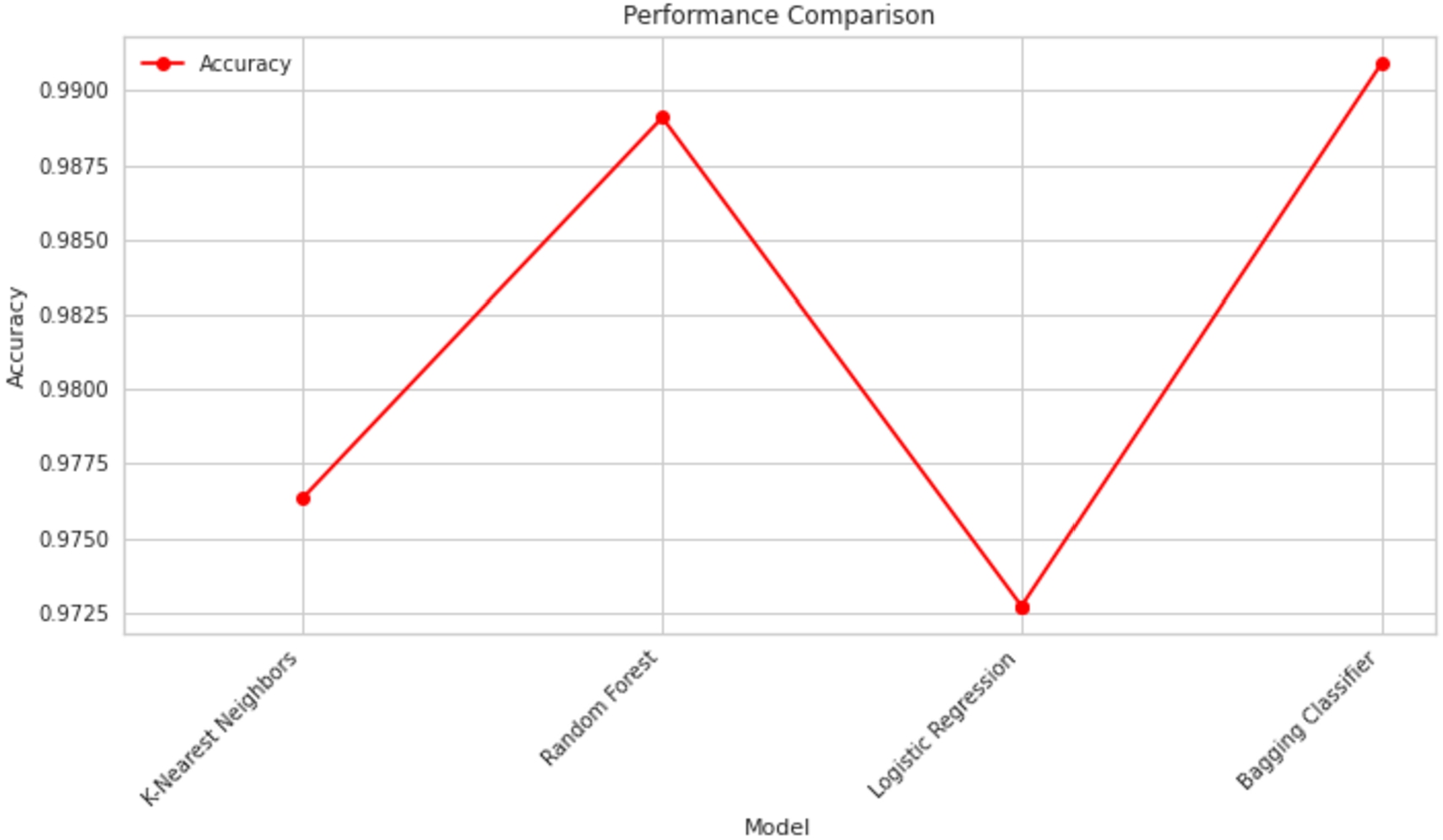
Comparison of various ML techniques for crop recommendation.
Real-time monitoring via IoT devices is made possible by actuators and similar devices, which serve as links to the outside world and enhance the digital twin’s ability for instantaneous monitoring and control. This important element enables data-driven decision-making by utilizing techniques like machine learning to trigger ventilation systems, predictive analytics to modify irrigation schedules, and greenhouse lighting adjustments based on model insights [35]. The adaptive feedback system establishes the smooth coordination between the virtual and physical twins by using closed-loop control techniques to optimize continuously and increase output efficiency while consuming less resources.
Strategies for managing farms
It is crucial for farmers and others in the farming industry to grasp the digital twin concept easily. A basic interface known as a Human-Machine Interface (HMI) is needed to transform the complex data into useful data. In order to monitor real-time data and make quick decisions, farmers use dashboards, smartphone apps, and online platforms [53]. They may plan and manage their farms using HMI by scheduling tasks, utilizing data insights, and receiving timely notifications. Advanced analytics are used after data collection from IoT sensors. In doing so, Named Entity Recognition (NER) becomes more efficient in terms of data processing and decision-making. Neural networks, LSTM designs, and machine learning are some examples of this. Data from many sources and languages is handled due to the framework [57].
Challenges and IoT in the future of digital twins for agriculture
Digital twins are like virtual copies of real farms and are often accompanied with a number of challenges that need to be solved. There are many social, ecological and technological impacts and challenges discussed in various studies [43]. The incorporation of digital twins within agricultural practices addresses prevailing challenges encountered by farmers [55]. These challenges encompass the acquisition of precise sensor data, ensuring data security, and managing scalability concerns. Leveraging emerging technologies such as robotics, faster internet connectivity (5G), smart computing, artificial intelligence (AI), and secure digital records like blockchain, digital twins offer potential resolutions to these complexities [22]. Their integration aims to augment prediction accuracy, expedite decision-making processes, and promote environmentally-conscious farming methodologies. Consequently, digital twins aspire to enhance overall productivity, efficiency, and sustainability within the agricultural sector. Solving these challenges can make farming more productive, efficient, and environment friendly.
Privacy and security concern: Digital twins in agriculture have challenges when it comes to safeguarding data such as crop yields, animal health records, and weather updates. Respecting legal requirements like GDPR is crucial for maintaining stakeholder confidence as well as for managing data legally, especially considering how linked IoT devices are.
Technological Challenges: Scalability, real time availability, and data integration from several sources are important challenges for the effective application of digital twins in agriculture. Precise sensor readings are crucial, especially for smaller farms that may not have the capacity to handle data instantly. Continuous technological advancements improve the precision of sensor readings, ensuring reliable and instant data for efficient decision-making.
Future Trends and Innovations: As ML and AI get better at making accurate predictions, the future looks promising for using digital twins in agriculture. Expecting a positive and sustainable shift in farming practices, advancements in edge computing, blockchain, 5G networks, and the automation of tasks through robots and digital twins can be seen [49]. As the robots get more advanced and intellectual they can enhance performance to a great extent by performing tasks such as targeted application of inputs, monitoring crop health, and executing labor-intensive activities [50].
There are multiple social, financial and logistical barriers in adopting these technologies which are discussed in Table 4.
Digital Twins play a pivotal role in reshaping smart farming methodologies, as exemplified by practical cases within the IoF2020 project. IoF2020, or the Internet of Food and Farm 2020, is a European initiative under the Horizon 2020 program. This project aims to advance the deployment of Internet of Things (IoT) technologies in agriculture, with a focus on enhancing efficiency, sustainability, and competitiveness in the agri-food sector. By utilizing IoT solutions such as sensors, data analytics, and connectivity, IoF2020 seeks to create a connected and data-driven ecosystem, providing real-time information and decision support tools to farmers and stakeholders [71].
Barriers in adopting these technologies in developing countries
Barriers in adopting these technologies in developing countries
The project addresses key challenges in the agri-food value chain, aiming to optimize resource usage, improve traceability, and contribute to a more sustainable and resilient food system. The typology, encompassing Imaginary, Monitoring, Predictive, Prescriptive, Autonomous, and Recollection Digital Twins, is applied across various farming domains. A specific focus on the ‘Added Value Weeding Data’ case demonstrates how Digital Twins are deployed for real-time monitoring, predictive analytics, and autonomous control of weeding machines, significantly enhancing crop management. The overarching framework emphasizes life cycle integration, from design to post-disposal phases, highlighting Digital Twins’ versatility. The technical implementation models showcase a sophisticated architecture integrating sensors, actuators, and cloud-based systems for seamless farmer interaction.
This comprehensive approach underscores Digital Twins’ transformative impact on smart farming, optimizing efficiency and decision-making throughout the agricultural life cycle.
Summary of acronyms used in the paper
IoT and digital twins are making farming more environmentally friendly and intelligent. Comparable to virtual farms, digital twins utilise real-time sensor data. These IoT connected sensors gather precise data on soil health, weather patterns, and animal behavior. This intelligent data helps farmers in the virtual farm by providing them with better crop care, resource management, and understanding of weather variations. When the soil gets dried out, digital twins can also act fast, such as turning on the irrigation system. By exchanging data over secure networks, farmers can collaborate more effectively with IoT and digital twins. It allows for predicting and solving pest problems, managing water distribution across large areas. However, to ensure a smooth flow of data and successful actions, robust network connections are vital, especially in remote locations. Table 5 summarizes the acronyms used in the paper.
Future research initiatives will prioritize incorporating various metrics such as Precision, F-Measure, Balanced Classification Rate, Recall, Negative Rate Matrix (NRM), etc., for analysis on various other real world datasets. This will offer a more comprehensive evaluation of the framework’s effectiveness and performance across diverse real-world scenarios and datasets.
Conflict of interest
The authors have no conflict of interest to report.