



Abstract
The criminal use of weapons is a very topical issue in the industrialized countries and worldwide, and a reconsideration of the legislation governing their possession is warranted. We retrospectively analyzed the homicides and suicides involving the use of firearms and piercing and/or cutting weapons recorded at the Medicolegal Bureau in Milan from January 1, 1993, to December 31, 2008. First we considered the clinical histories of the deceased and the circumstantial details of their deaths, then we examined the data relating to the cause of death recorded in the autopsy reports. Our case series consisted of 414 homicides (54.2%) and 350 suicides (45.8%). Firearms were responsible for more deaths (64%) than piercing and/or cutting weapons (36%). The firearms involved were legally licensed in 40% of cases (suicides) and illegal in 22% (homicides). Our findings suggest the need to review the criteria considered for the issue of firearms licenses, in Italy at least.
Introduction
All over the world, and in the more industrialized countries in particular, (Krug, Mercy, Dahlberg, & Zwi, 2002; Richmond, Cheney, & Schwab, 2005) violence involving the use of weapons is a major cause of death and there is some debate on the measures needed to reduce its incidence. The efficacy of any such measures is negatively influenced by shortcomings (Weiner et al., 2007) in the official statistics, that make it impossible to draw a reliable distinction between deaths caused by criminal actions and those involving properly licensed weapons (Ajdacic-Gross et al., 2006). Nor is there any evidence to support the efficacy of regulations restricting the availability of weapons in the general population: several studies have claimed that such restrictive measures are pointless (Brent, 2001; Kapusta, Etzersdorfer, Krall, & Sonneck, 2007; Mann et al., 2005), others have failed to confirm their efficacy (Dandurand, 1998; Rosengart et al., 2005), and doubts have been voiced concerning the real reduction in the total number of violent episodes achievable by posing restrictions on the legal possession of weapons (Adshead, Fonagy, & Sarkar, 2007). While possessing a firearm is a suicide risk factor, lethal wounds can also be self-inflicted with piercing and/or cutting tools readily available in the home, the possession of which is never liable to legislative restrictions. A better understanding of how firearms and piercing or cutting weapons or tools are used with homicidal and suicidal intent is fundamental to the definition of more suitable preventive measures. The object of the present study was to analyze the deaths involving the use of firearms and piercing and/or cutting weapons over a 16-year period (January 1, 1993 to December 31, 2008) in an area covered by the University of Milan’s Medicolegal Department, including the city and a part of the surrounding province.
Method
The study was conducted in two stages. First of all, we collected data from the death reports completed by the Bureau’s expert when a body is identified by a member of the deceased’s family; this report contains all the useful information obtained, circumstantial details and the deceased’s clinical history. Second, we examined the reports drawn up by the experts after completing the autopsy; the autopsy report contains details relating to the cause of death. In the period from January 1, 1993, to December 31, 2008, 17,591 autopsies were conducted by the Bureau, from among which we selected 764 cases (4.3%) fulfilling the criteria of our study, that is, 414 homicide (54.2%) and 350 suicides (45.8%). Among the homicide cases, 222 victims (53.6%) were killed with firearms and 192 (46.4%) with piercing and/or cutting weapons; for the suicides, the figures were 267 (76.3%) deaths caused by firearms and 83 (23.7%) caused by piercing and/or cutting weapons. The data that we analyzed concerned both the deceased and the perpetrators. For the deceased, we considered gender, age, year and month of birth, nationality, any prior suicide attempts or suicidal intentions, clinical history, use of medication or drugs, and place of death. The medicolegal details considered included the sites of the lesions, the number of wounds divided by anatomical region, the type of weapon used and the cause of death. The data analyzed relating to the perpetrators were age, gender and nationality, and they were compared, wherever possible, with information obtained from police reports and journalistic information sources. As concerns this last type of information, reference was made for data processing purposes to the online archives and to the major Italian national daily papers (Corriere della Sera, La Repubblica), local newspapers (Il Giorno and Il Giornale), and to the database of the Italian national and regional press agency ANSA. The study was integrated by consulting generic search engines and Internet websites, as well as printed paper volumes and repertories. Wherever possible, we also followed up each death until the parties responsible were sentenced or until a case of suicide was closed.
Analysis of Data Relating to the Deceased
The data set concerned 764 deaths (414 homicides and 350 suicides) registered at the Medicolegal Bureau in 16 years of activity.
Distribution of the Deceased by Gender
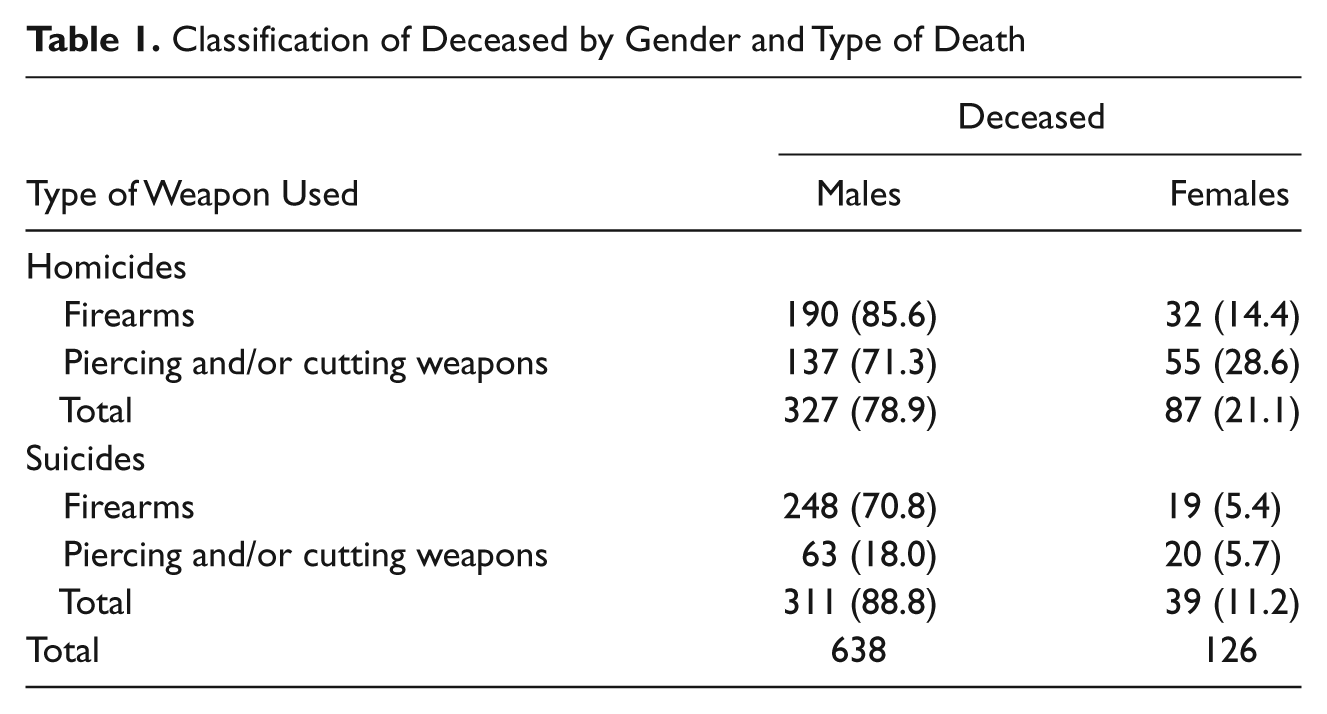
Taking the homicide victims and the suicide cases together, 638 were male (83.5%) and 126 were female (16.5%). The victims of homicides involving firearms included 190 males (85.6%) and 32 females (14.4%), while those killed with piercing and/or cutting weapons included 137 males (71.3%) and 55 females (28.6%). The cases of suicide involving the use of firearms included 248 males (70.8%) and 19 females (5.4%), while those dying from wounds self-inflicted with piercing and/or cutting weapons were 63 males (18%) and 20 females (5.7%; Table 1). The male-to-female ratio was therefore 4:1 among the homicide victims, and 8:1 for the cases of suicide.
Classification of Deceased by Gender and Type of Death
Distribution of Deceased by Age
The ages of the deceased were divided into 10-year age groups and the mean age was calculated for the type of weapon involved (i.e., either firearms or piercing/cutting weapons); in 15 cases (1.9% of the total), the deceased were never identified (individuals not stated). The results are given in Table 2, which clearly shows that homicide victims were most often in the 21- to 40- or 41- to 60-year-old age groups, whatever the type of weapon involved, followed by the 11- to 20- and 61- to 70-year-olds. In the case of homicides involving firearms, 8 individuals were not identified and the mean age of the other victims was 35.8 years (range 2-78 years); among the homicides committed with piercing and/or cutting weapons, 6 individuals remained unidentified and the mean age of the other victims was 37.9 years (range 0-93 years). The majority of the suicide cases were older, that is, in the 41- to 60-year-old age group, followed by the 31- to 40-year-olds and the 61- to 70-year-olds. Among the suicides involving firearms, 1 individual was not identified and the mean age of the others was 52.1 years (range 16-89 years); the body was identified in all the suicide cases involving piercing and/or cutting weapons and the mean age of this group was 51.3 years (range 18-88 years).
Distribution of Deceased by Age Group and Type of Death
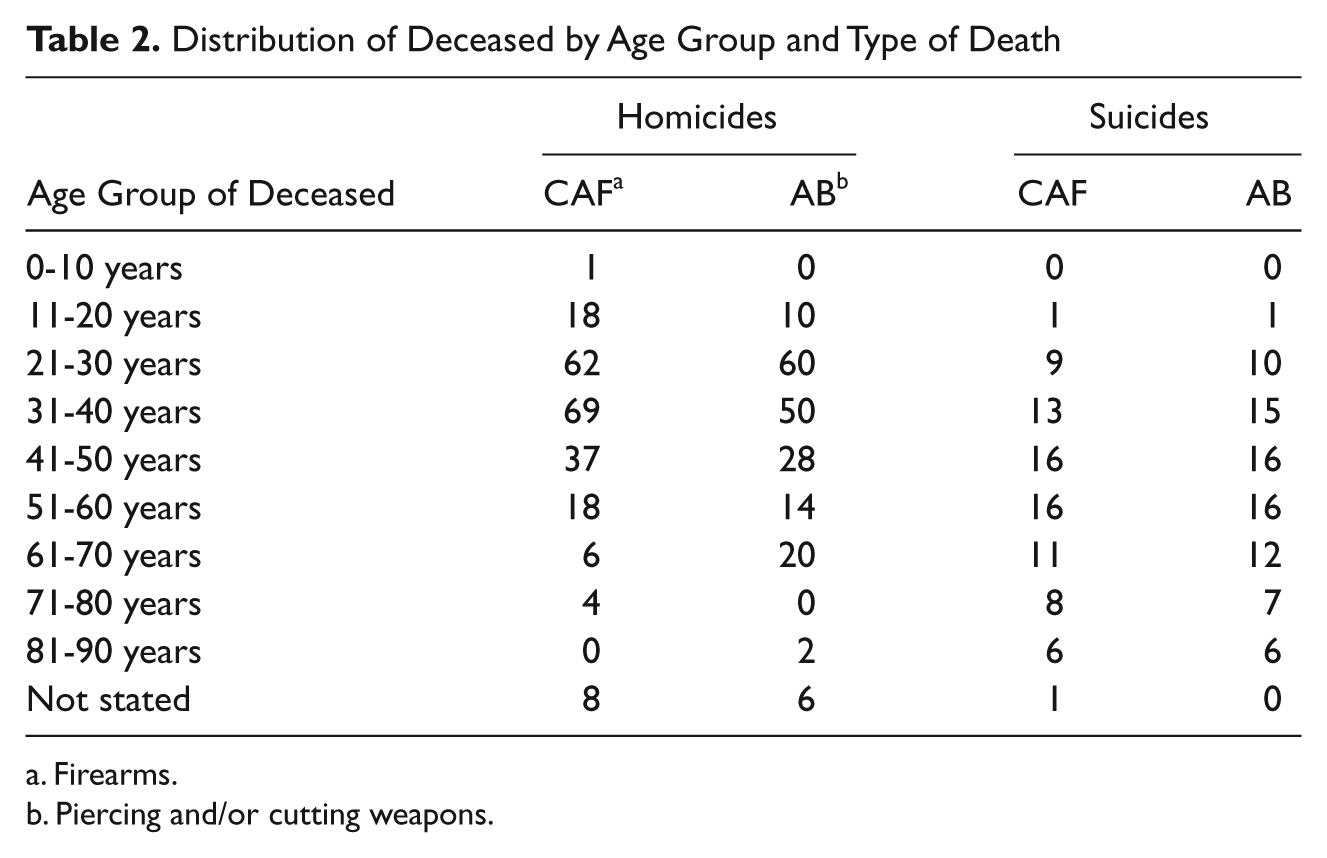
Firearms.
Piercing and/or cutting weapons.
Distribution of deceased by time of death
The episodes were analyzed in terms of the time of their occurrence, considering the year (Figures 1 and 2) and month (Figures 3 and 4) in which they took place. The figures show a parallel decline in the numbers of homicides, for both the types of weapon considered, with the exception of an increase in the year 2003. The annual trends of the suicides first showed a declining use of firearms and an increasing use of piercing and/or cutting weapons, then from 2003 onwards, the usage of the two types of weapon showed a parallel trend. The monthly trend of the homicides dropped before the summer and winter seasons, remaining more constant during the rest of the year; the cases of suicide showed a marked decline in the winter and summer months, the lowest numbers being recorded in the months of February and August.

Homicide victims by year and by type of weapon used
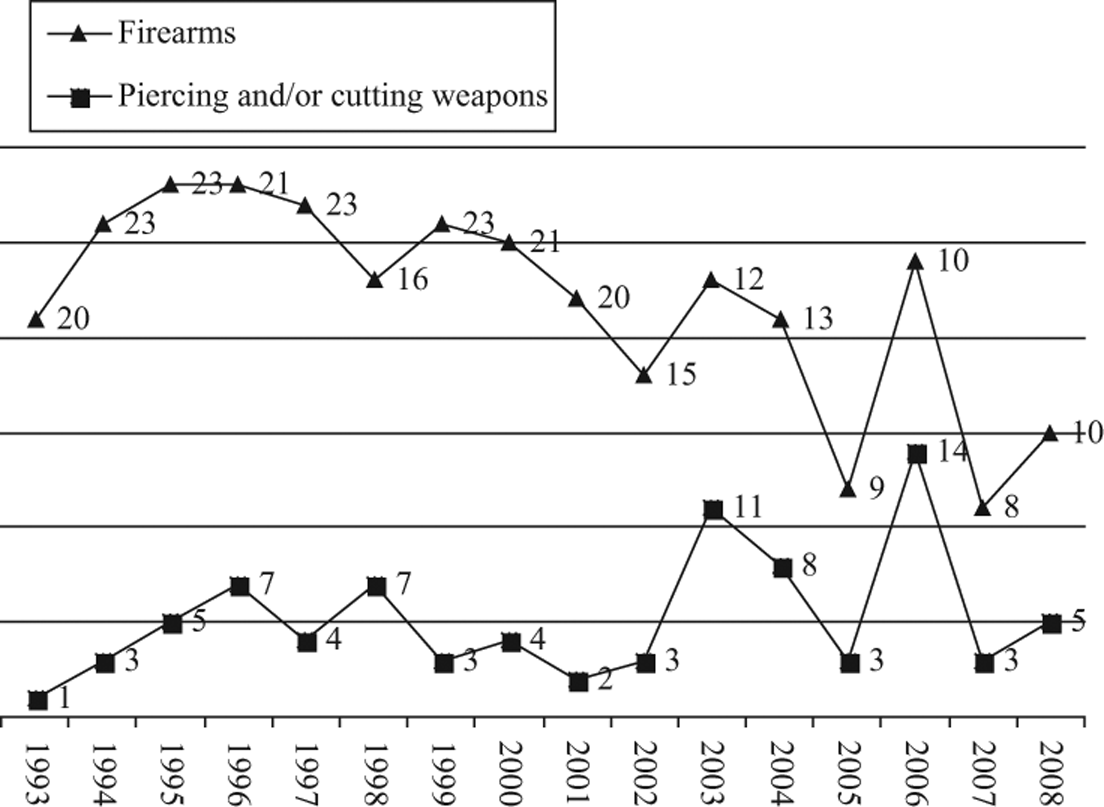
Suicide cases by year and by type of weapon used

Homicide victims by month and by type of weapon used

Suicide cases by month and by type of weapon used
Distribution of the deceased by nationality
Our data also included the nationality of the deceased, divided by continent: the Europeans were naturally more numerous than the Africans, Asians and Americans for both the types of weapon considered (Figure 5). The homicide victims were European in 285 cases (68.8%), African in 38 (9.2%), Asian in 16 (3.9%) and American in 15 (3.6%). Among the Europeans, 245 (59.2%) of the victims were Italian; the ethnic groups involved in the other 40 cases (9.7%), were mainly Albanian (22 cases, 55.0%), Rumanian (6 cases, 15.0%) and Serb (4 cases, 10.0%). Among the African victims, the majority were Moroccan (19 cases, 50.0%) and Tunisian (12 cases, 31.6%). The majority of Asian victims were Chinese (8 cases, 50.0%) and Philippine (6 cases, 37.5%). All the American victims came from South America and included 5 from Ecuador (33.3%) and 4 from Brazil (26.6%). For 60 homicide cases (14.5%) the ethnic group remained unknown. In the cases of homicide involving firearms, most of the victims were Italian (152 cases, 68.5%), while 41 (18.4%) were foreigners, and the nationality of 29 victims (13.1%) was not known. The victims of homicides involving piercing and/or cutting weapons were Italian in 93 cases (48.4%) and from abroad in 68 (35.4%), while it was impossible to establish the ethnic group of the victims in 31 cases (16.2%; Table 3). In the cases of suicide involving firearms, 263 deceased (98.5%) were Italian and 4 (1.5%) were foreigners of unspecified nationality; 73 cases of suicide involving piercing and/or cutting weapons (87.9%) were Italian and 10 (12.1%) were of unspecified foreign nationality.

Distribution of homicide victims and suicide cases by continent of origin
Homicide Victims by Nationality
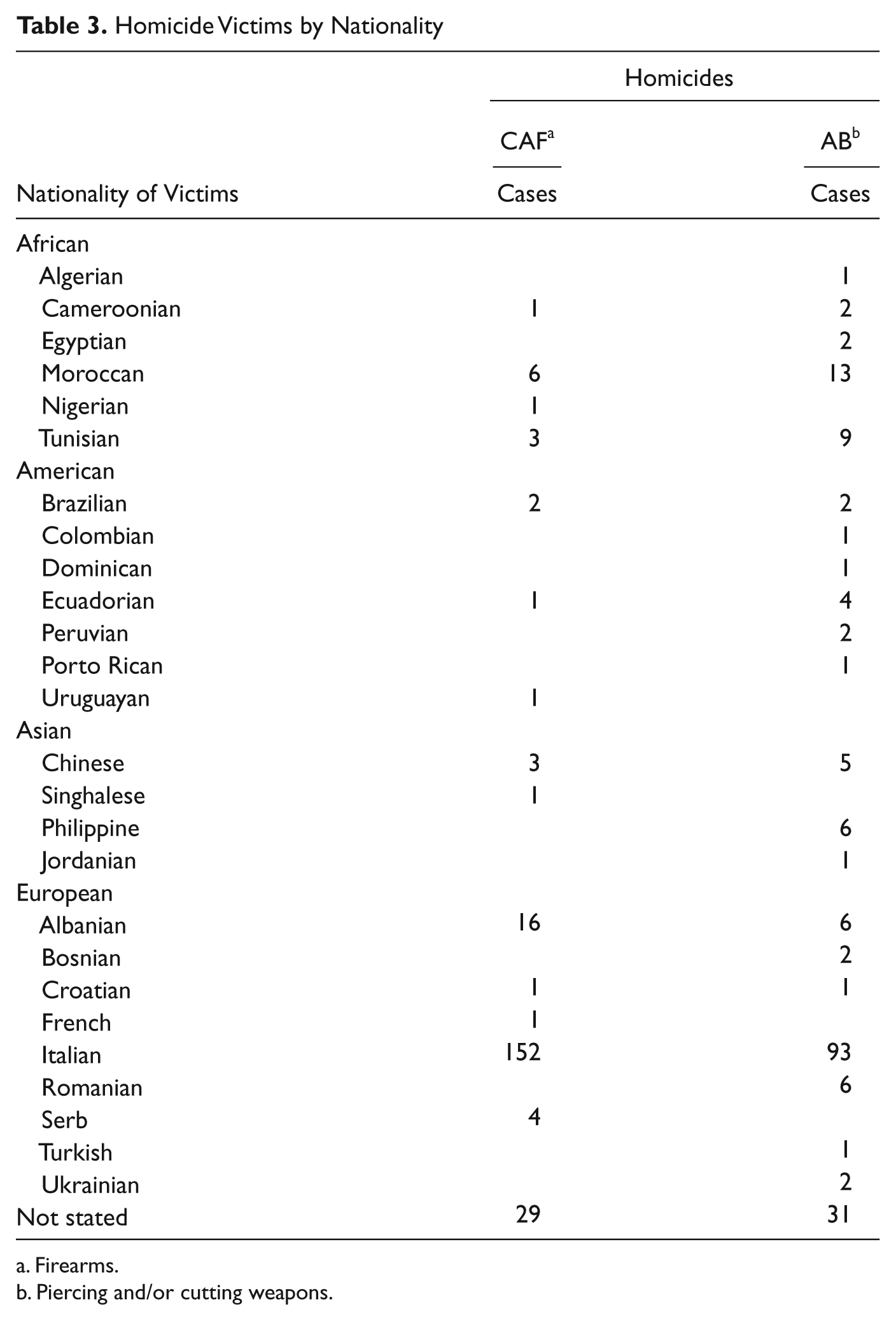
Firearms.
Piercing and/or cutting weapons.
Prior Suicide Attempts or Suicidal Intentions
In examining the reports, we also recorded whether the deceased had made any prior suicide attempts or expressed suicidal intentions. Among the cases involving firearms, prior attempts were ascertained in 20 cases and ruled out in 171, while the information was unreliable in 76 cases. Suicidal intentions were confirmed in 73 cases and ruled out in 124, and could not be established for 70 cases. Among the suicide cases involving piercing and/or cutting weapons, 13 had a history of attempted suicide, while the deceased’s relatives ruled this out in 41 cases when they came to recognize the body; in the remaining 29 cases it was impossible to obtain this information. Prior suicidal intentions were confirmed in 22 cases, excluded in 31, and impossible to establish in 30.
Analysis of the Deceased’s Clinical History
The suicide cases, involving both types of weapon, were also analyzed in relation to any prior pathology. The documented diseases and disorders were classified as generic (40 cases) or psychiatric (132 cases). For 117 cases, the relatives reported no prior pathologies (Figure 6). Among the generic diseases reported, there was a prevalence of cardiovascular disorders (4.3%) followed by neoplastic diseases (4.0%), gastrointestinal diseases (2.0%), chronic conditions (0.8%), and infections (0.3%). Among the psychiatric disorders, there was a higher incidence of depression (34.3%), followed by anxiety syndrome (1.1%), drug addiction (0.8%), epilepsy and bipolar disorder (0.6% each), and alcoholism (0.3%). The concomitance of several diseases was ascertained in 67 cases: 24 of them suffered from more than one generic disease, 43 had a psychiatric disorder and other conditions. Among the former, there was a prevalence of cardiovascular disorders associated with neoplastic and neurological disorders (5.4%), followed by neoplastic diseases associated with neurological, chronic and infectious disorders (0,8%), then chronic diseases associated with respiratory disorders (0.6%). Among the cases with psychiatric disorders plus other conditions, there was a prevalence of depressive syndrome combined with heart disease (4.8%), chronic diseases (3.1%), neoplasms (1.7%), substance abuse and/or addictive conditions (1.4%), anxiety syndrome (0.8%), and abortion (0.3%).

Distribution of suicide cases by type of prior single disease/disorder
Pharmaceutical Treatments
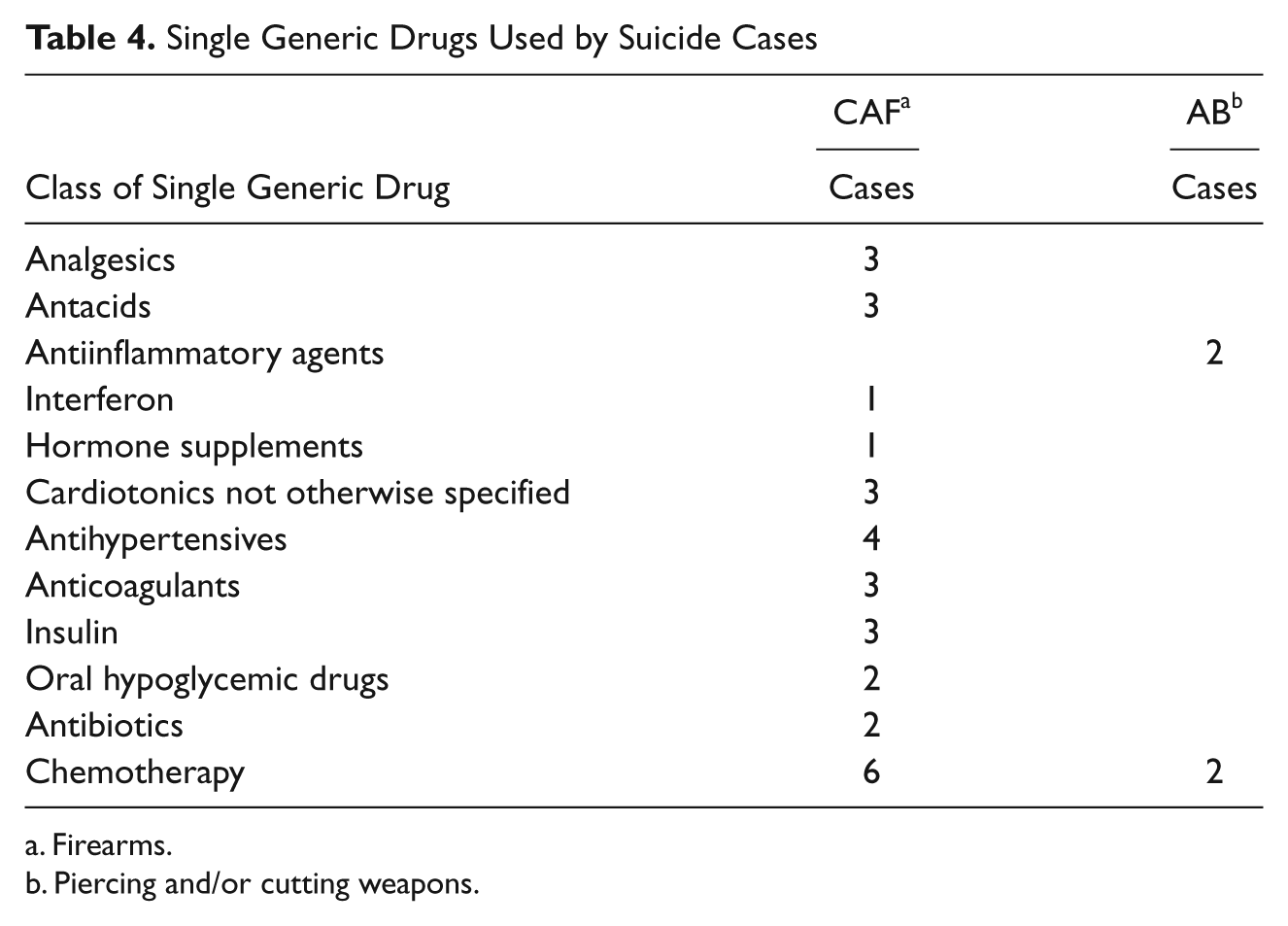
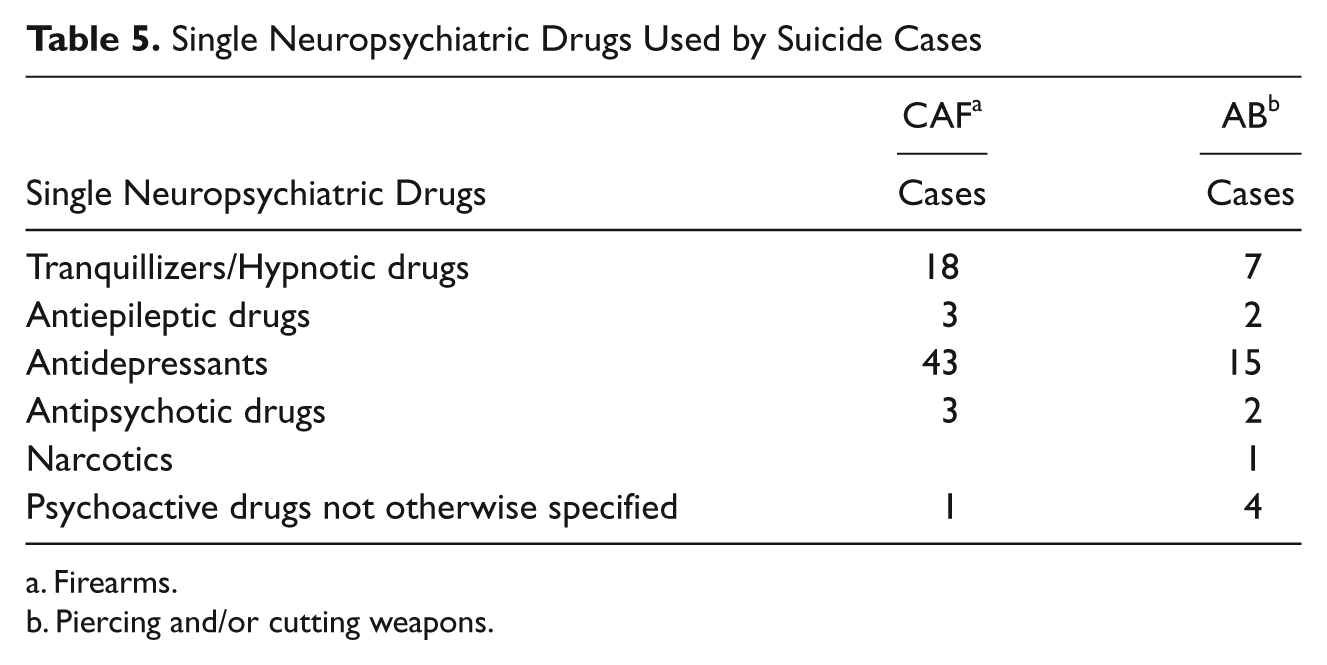
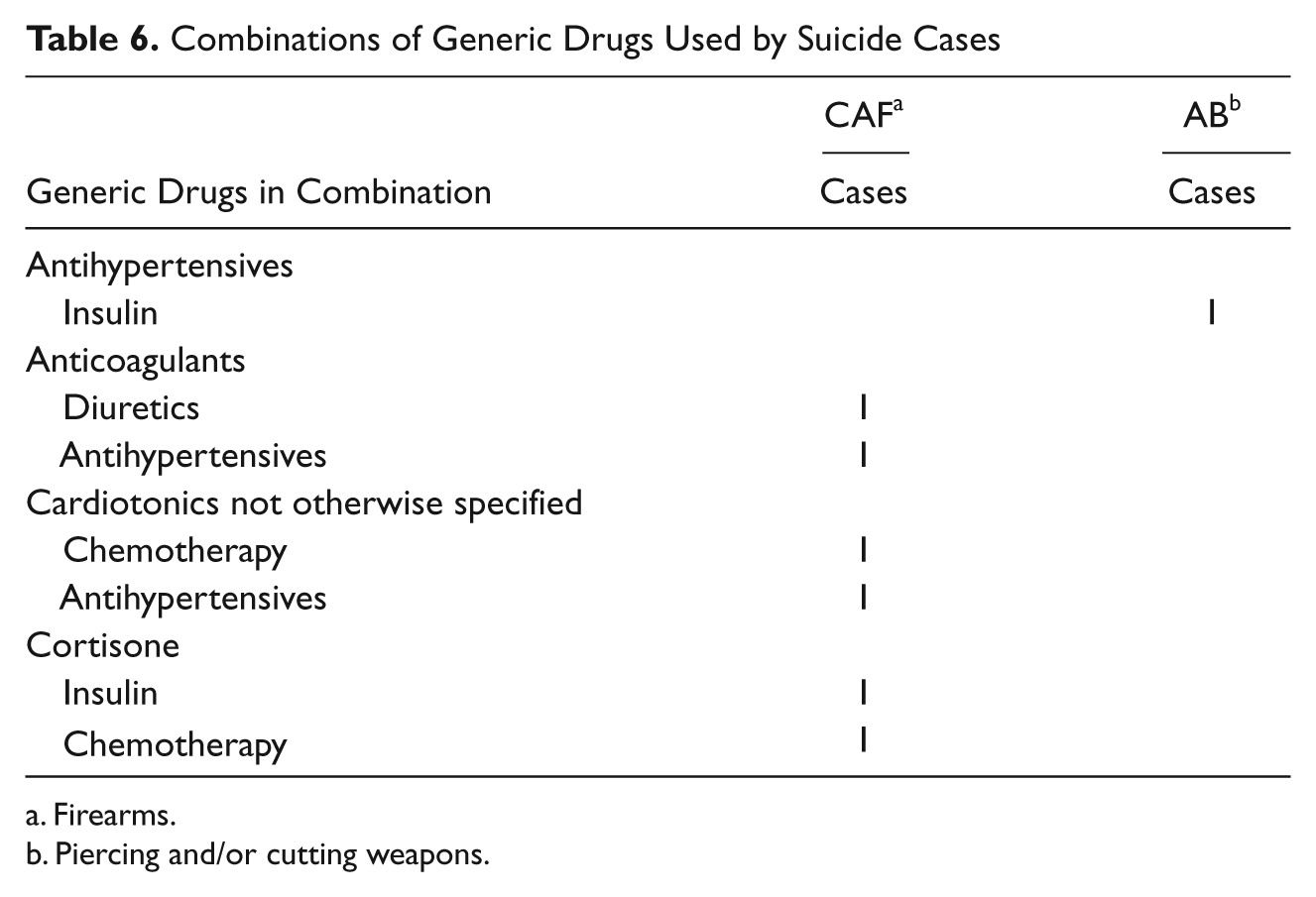
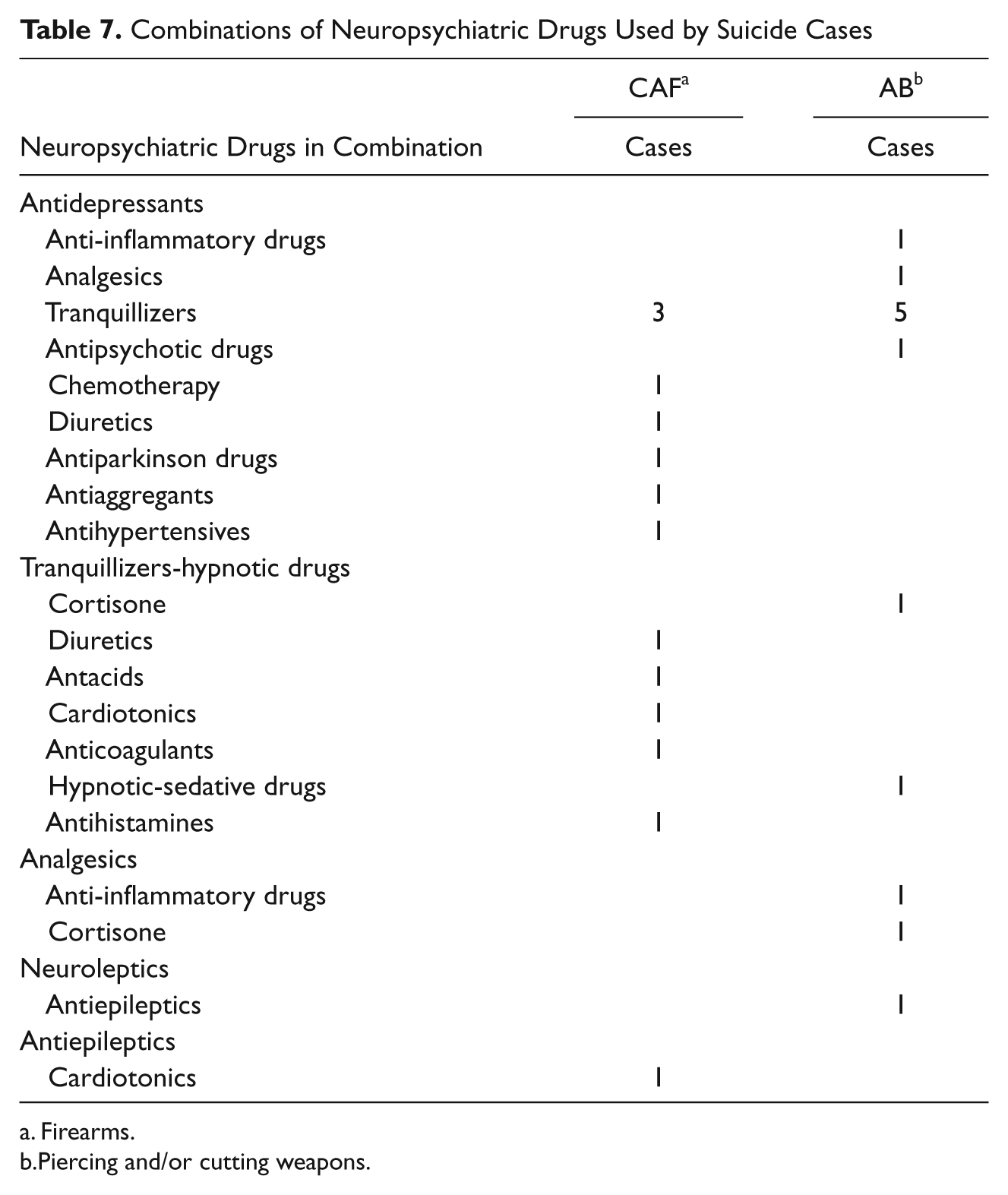
The suicide cases were also analyzed as concerns their use (for therapy or pleasure) of generic or neuropsychiatric drugs, alone in combination. Those who were using drugs amounted to 167 (47.7%) and 134 of them (38.3%) used only one drug (35 generic and 99 neuropsychiatric drugs; Tables 4 and 5), while 33 (9.4%) used combinations of drugs, which were neuropsychiatric in 27 cases (7.7%) and generic in 7 (2.0%; Tables 6 and 7). Nine of the suicide cases (2.6%) were not taking any pharmaceutical treatment, and no reliable information on drug use was available for the remaining 174 cases (49.7%).
Single Generic Drugs Used by Suicide Cases
Firearms.
Piercing and/or cutting weapons.
Single Neuropsychiatric Drugs Used by Suicide Cases
Firearms.
Piercing and/or cutting weapons.
Combinations of Generic Drugs Used by Suicide Cases
Firearms.
Piercing and/or cutting weapons.
Combinations of Neuropsychiatric Drugs Used by Suicide Cases
Firearms.
Piercing and/or cutting weapons.
Analysis of the Place of Death
The location where the homicides and suicides, involving both types of weapon took place is shown in Figure 7, divided into five different environments: the home, outside the home, public places, the workplace, and unspecified places (not stated). The home was the site of death in 50.1% of cases, while 31.9% occurred outside the home, 13.5% in public places, and 2.9% at the workplace; for 12 cases (1.6%) it was impossible to establish with certainty where the person died.

Distribution of locations where homicides and suicides occurred
Distinct differences emerged when the figures were analyzed separately for homicides and suicides, as shown in Table 8: 197 homicides (47.6%) occurred outside the home, 123 (29.7%) at the victim’s home, 77 (18.6%) in public places, 6 (1.45%) at the workplace, and 11 (0.24%) in unidentified places. So homicides were committed outside the victim’s home in twice as many cases as those committed in their homes (291 vs. 123). Instead, 260 cases of suicide (74.3%) were committed at home, 47 (13.4%) outside the home, 26 (7.4%) in public places, 16 (4.6%) at the workplace, and for 1 (0.3%) the location was not identified. So suicides were mainly committed at the deceased’s home, three times as often as those occurring elsewhere (260 vs. 90). At home, the rooms involved were usually the bedroom or bathroom, with 90 (23.5%) and 35 (9.1%) cases, respectively; outside the home, the road and the car were the environments most often implicated, with 151 (61.9%) and 45 (18.4%) cases, respectively; the most likely public places were bars and hospitals, with 24 (23.3%) and 21 (20.4%) cases, respectively; and, at the workplace, 13 suicides took place in the office (59.1%).
Environments Where Homicides and Suicides Took Place
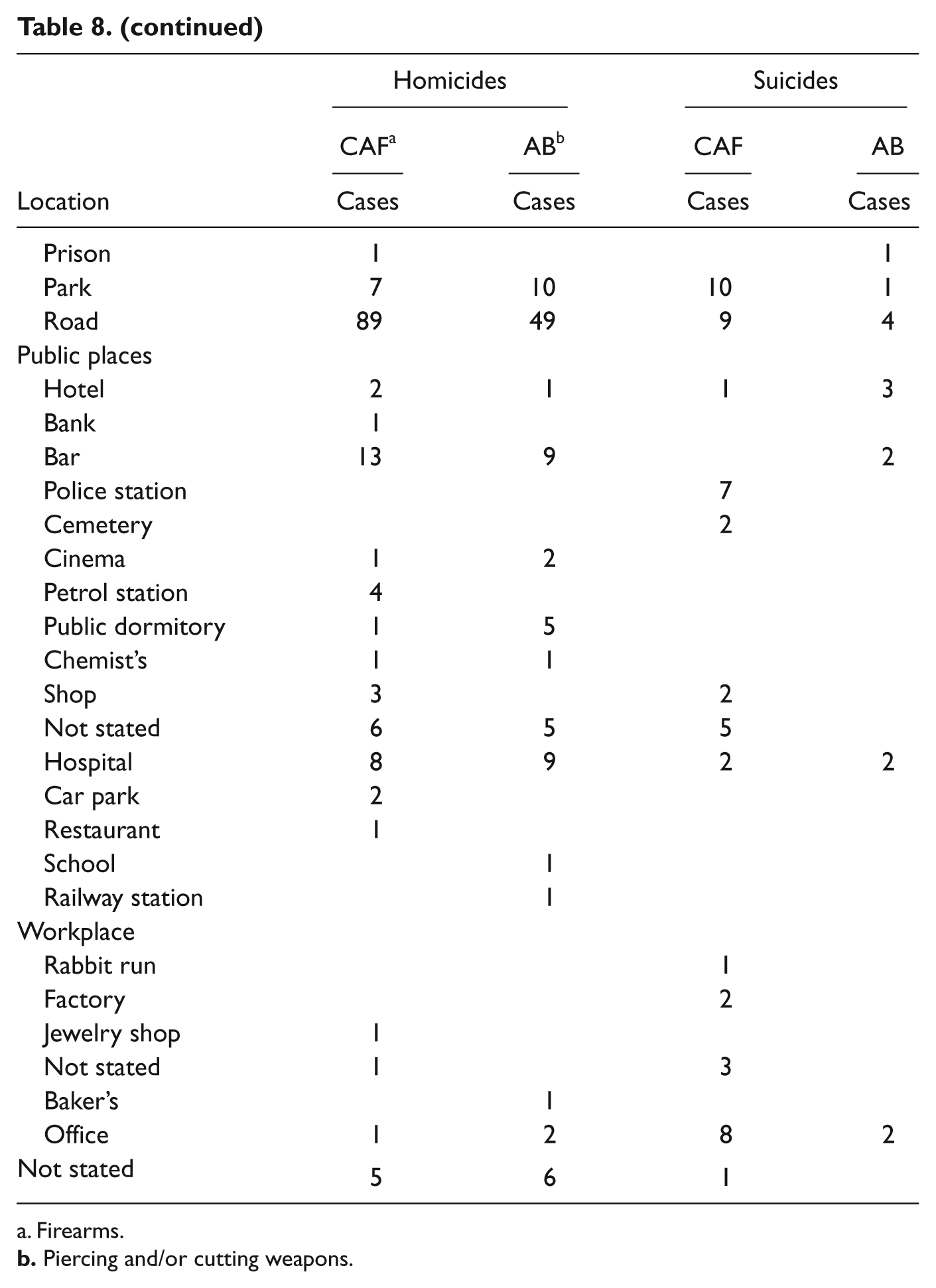
Firearms.
Piercing and/or cutting weapons.
Pathological-Forensic Data
In the second part of the study, a retrospective analysis was conducted on the autopsy reports on cases of homicide and suicide, obtaining information on the parts of the body wounded, the cause of death and the weapons used.
Sites of Wounds and Causes of Death
The mortally wounded areas of the body were classified according to whether one or more areas of the body were involved. As shown in Figure 8, the single most affected site was the head (42.3% of cases), while the other sites involved were the chest (21.3%), arteries (15.4%), abdomen (3.7%), spine (0.9%), and neck (0.4%). The cause of death due to wounds involving one part of the body (Table 9) were identified in 642 cases (84.0%) concerning 149 cases of homicide due to firearms (36.0%) and 158 cases of homicide due to piercing and/or cutting weapons (38.2%). Wounds involving only one part of the body were identified in 256 suicides cases involving firearms (73.1%) and 79 cases (22.6%) involving piercing and/or cutting weapons. The number of firearms-related homicides was substantially the same as the number of homicides involving piercing and/or cutting weapons (36.0% vs. 38.0%), while the number of firearms-related suicides was three times the Figure for suicides committed with piercing and/or cutting weapons (73.0% vs. 22.0%).

Sites of mortal wounds involving only one part of the body
Causes of Death Induced by Mortal Lesions to Only One Part of the Body
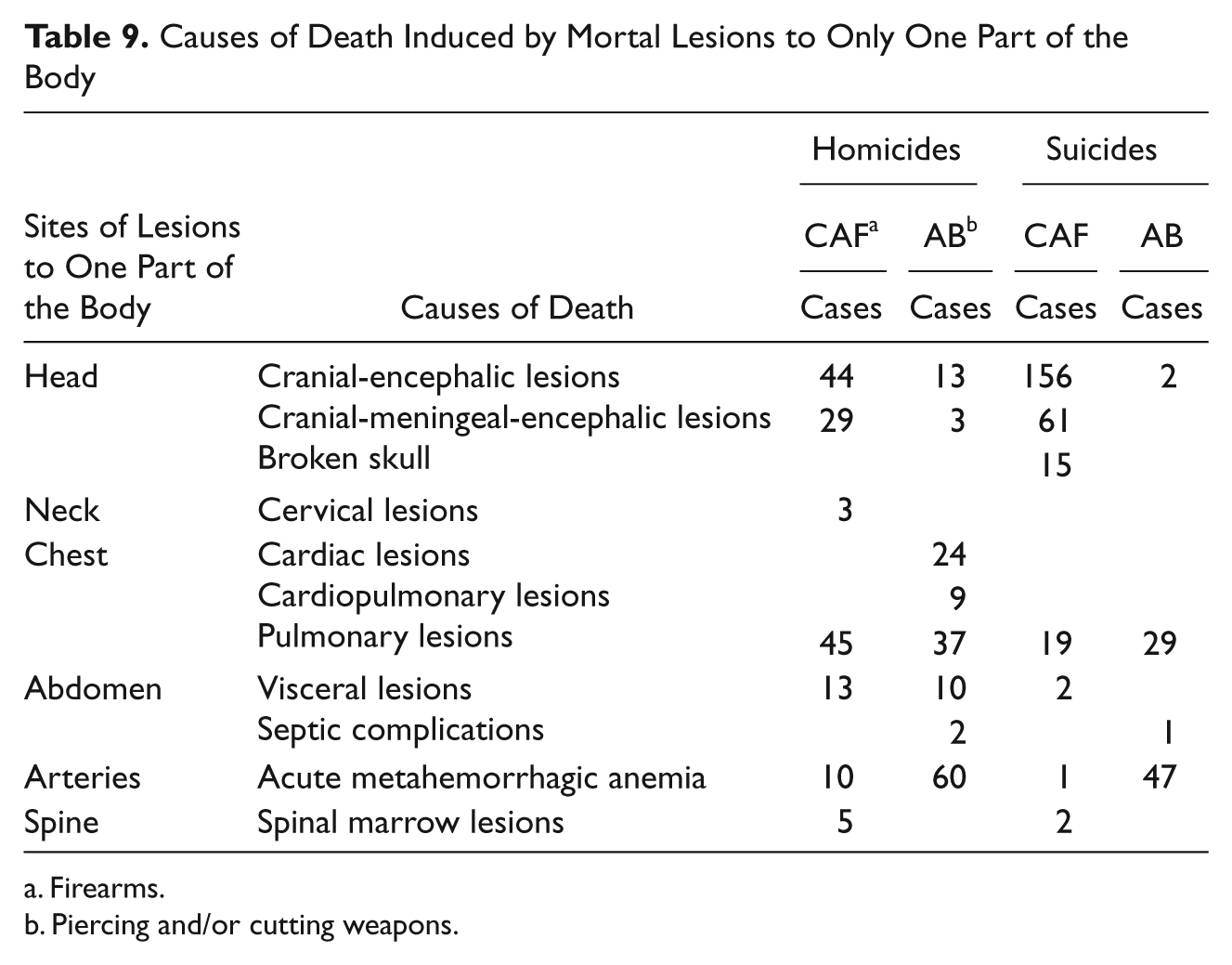
Firearms.
Piercing and/or cutting weapons.
When several parts of the body were mortally wounded (see Figure 9), the majority of cases involved the chest and abdomen (52.0%), followed by the head and another part of the body (33.0%), other parts of the body (12.0%), and the neck plus another part of the body (3.0%). The cause of death in cases with wounds to multiple parts of the body (Table 10) was identified for 122 deaths (16.0%), which concerned 77 cases (63.1%) of firearms-related homicide and 30 (24.6%) of homicides with piercing and/or cutting weapons. Multiple parts of the body were involved in 11 firearms-related suicides (9.0%) and in 4 cases (3.3%) of wounds self-inflicted with a piercing and/or cutting weapon. The number of firearms-related homicides was 2.5 times higher than the Figure for homicides implemented with piercing and/or cutting weapons (18.6% vs. 7.2%), while the number of firearms-related suicides was three times the Figure for those involving piercing and/or cutting weapons (3.1% vs. 1.1%).

Sites of mortal wounds involving more than one part of the body
Causes of Death Induced by Mortal Lesions to More Than One Part of the Body
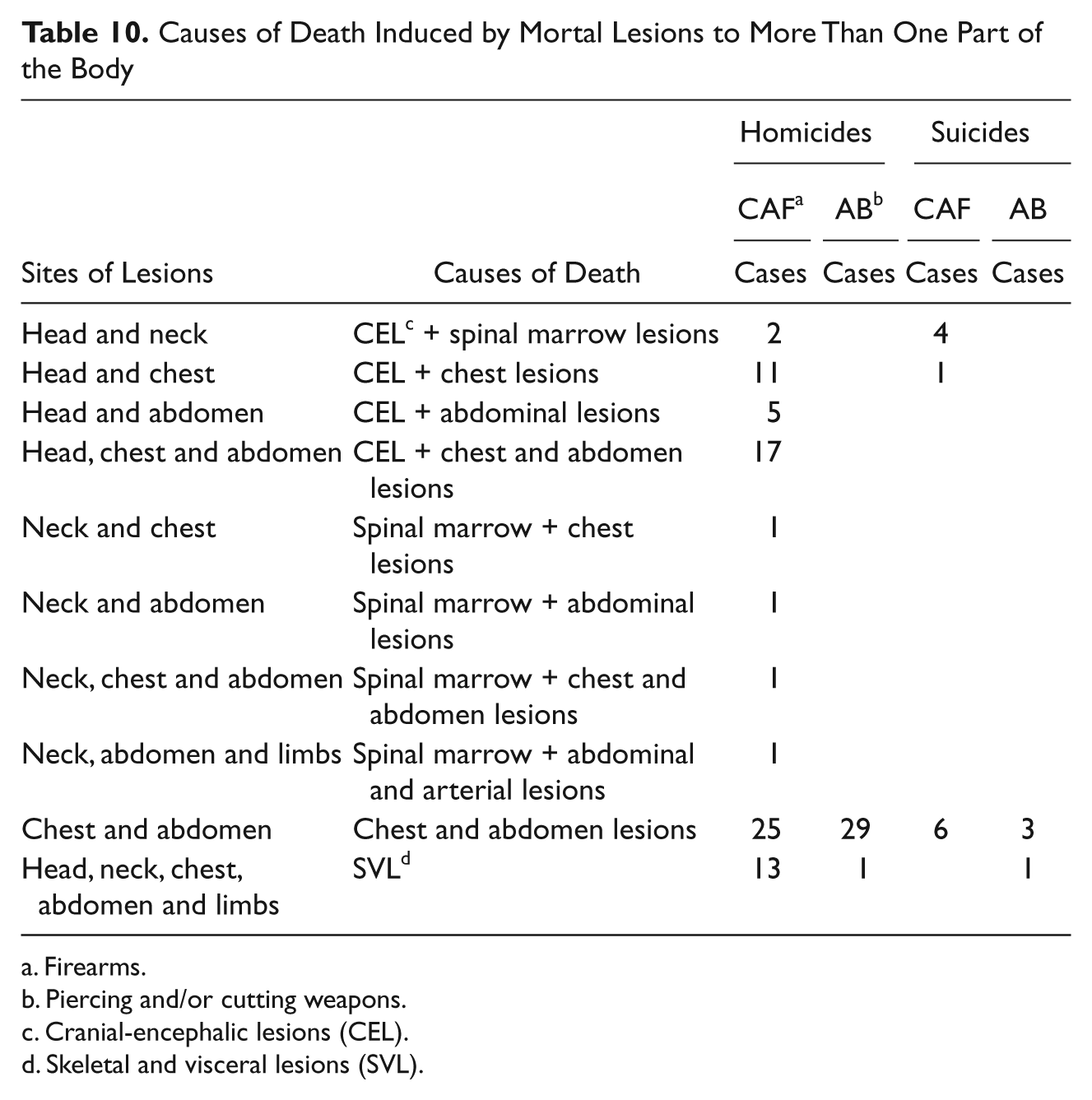
Firearms.
Piercing and/or cutting weapons.
Cranial-encephalic lesions (CEL).
Skeletal and visceral lesions (SVL).
Types and Characteristics of Weapons
We investigated whether the firearms involved in our case series were legally licensed or illegal (defining as “legal” all weapons duly registered with the police authorities, and as “illegal” all those that the owner was not legally allowed to possess). Italian legislation distinguishes between “proper and improper” sharp instruments, the latter being intended as weapons, which people are not entitled to carry without due justification (art. 4/2 Lg.110/75). In our case series, 489 cases (64.0%) of homicides and suicides were firearms related. Among the homicides, the majority of the firearms concerned was of criminal origin, since they were not licensed in 169 cases (76.1%), and licensed in 40 (18.0%), while it was impossible to obtain reliable data on this issue for 13 cases (5.8%). Short weapons (semiautomatic pistols or revolvers) were most often used (involved in 437 cases, 57.2%), followed by smoothbore or rifled barrel shot guns (47 cases, 6.1%), automatic military weapons (4 cases, 0.5%), and a nail gun (1 case, 0.1%).
In detail, for the 222 firearms-related homicides (38.9%), short weapons were mainly used, including 205 semiautomatic pistols or revolvers (92.3%), 13 hunting guns (5.8%) and 4 automatic military weapons (1.8%). The last of these were rarely used, but included 2 submachine guns, 1 assault rifle and 1 machine gun, used abroad in warring regions (in the case of the machine gun, the victim was brought back to Italy for autopsy at the Milan Bureau). Piercing and/or cutting weapons were used in 192 homicides (33.6%), their frequency of use being as follows: knives (175 cases, 42.3%), broken bottles (4 cases, 1.0%), punch and scissors (3 cases each, 0.7%), billhook and cleaver (2 cases each, 0.5%), screwdriver, utility knife and crossbow (1 case each, 0.2%). Clearly these are tools that can be used as weapons, but there are no restrictions on their possession under Italian legislation. In the 267 cases of firearms-related suicide (9.3%), short weapons were again the most frequently used (233 semiautomatic pistols or revolvers, 86.9% of cases), followed by hunting guns (in 34 cases, 12.7%) and a nail gun (1 case, 0.4%). In 228 cases of firearms-related suicide (85.4%), the weapon used was reportedly licensed (including 203 short firearms corresponding [89.0% of the cases] and 25 shot guns [11.0%]); a short firearm was classified as “unregistered” in only one case (0.4%). It was impossible to obtain complete, reliable information on whether or not the other 38 weapons used to commit suicide were legal. Piercing and/or cutting weapons were used in 83 suicides (30.2%) in the following declining order of frequency: knives (60 cases, 17.1%), razorblades (8 cases, 2.3%), utility knives and scissors (5 cases each, 1.4%), glass bottles and scalpels (2 cases each, 0.6%) and a crossbow (1 case, 0.3%). Here again, Italian legislation clearly poses no restrictions on the possession of the instruments used as weapons.
Analysis of the Data Collected on the Killers
In the same way as for the victims and suicide cases, so too for the killers, we analyzed the data relating to gender, age and nationality.
Distribution of Killers by Gender
The perpetrators of homicides, for both the types of weapon considered here, were male in 226 cases (43.0%) and females in 7 (1.3%), while in 192 cases (46.4%) the person responsible remained unknown. When these data were divided according to the type of weapon used, 115 males (97.4%) and 3 females (2.6%) committed homicide using firearms, while 111 males (96.5%) and 4 females (3.5%) used piercing and/or cutting weapons. Thus the male-to-female ratio for the perpetrators of homicide was 32:1, the male gender being involved in 97.0% of cases, and the female gender in only 3.0%.
Distribution of Killers by Age
The ages of the perpetrators of homicide were divided into 10-year age groups (Table 11) and the mean age was calculated for the two types of weapon used: the age groups most frequently involved were 21 to 40 years and 41 to 60 years for both types of weapon. For firearms-related homicide, the mean age of the killers was 38.8 years (range 18-78 years), while for those involving piercing and/or cutting weapons it was 35.2 years (range 15-80 years). In 200 cases (38.1%), the people responsible were never identified (individuals not stated).
Distribution of Killers by Age Group and Type of Weapon Used
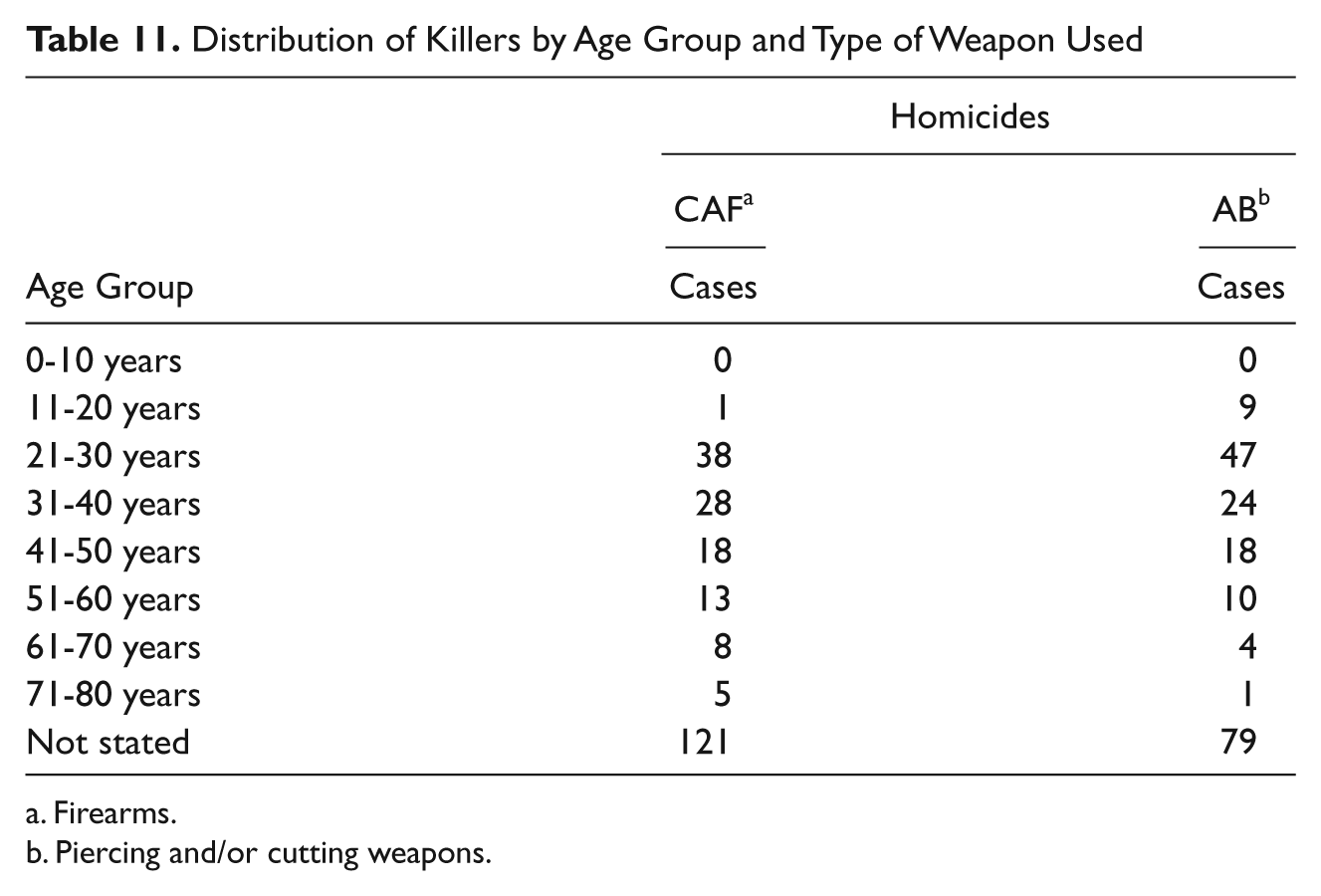
Firearms.
Piercing and/or cutting weapons.
Distribution of Killers by Nationality
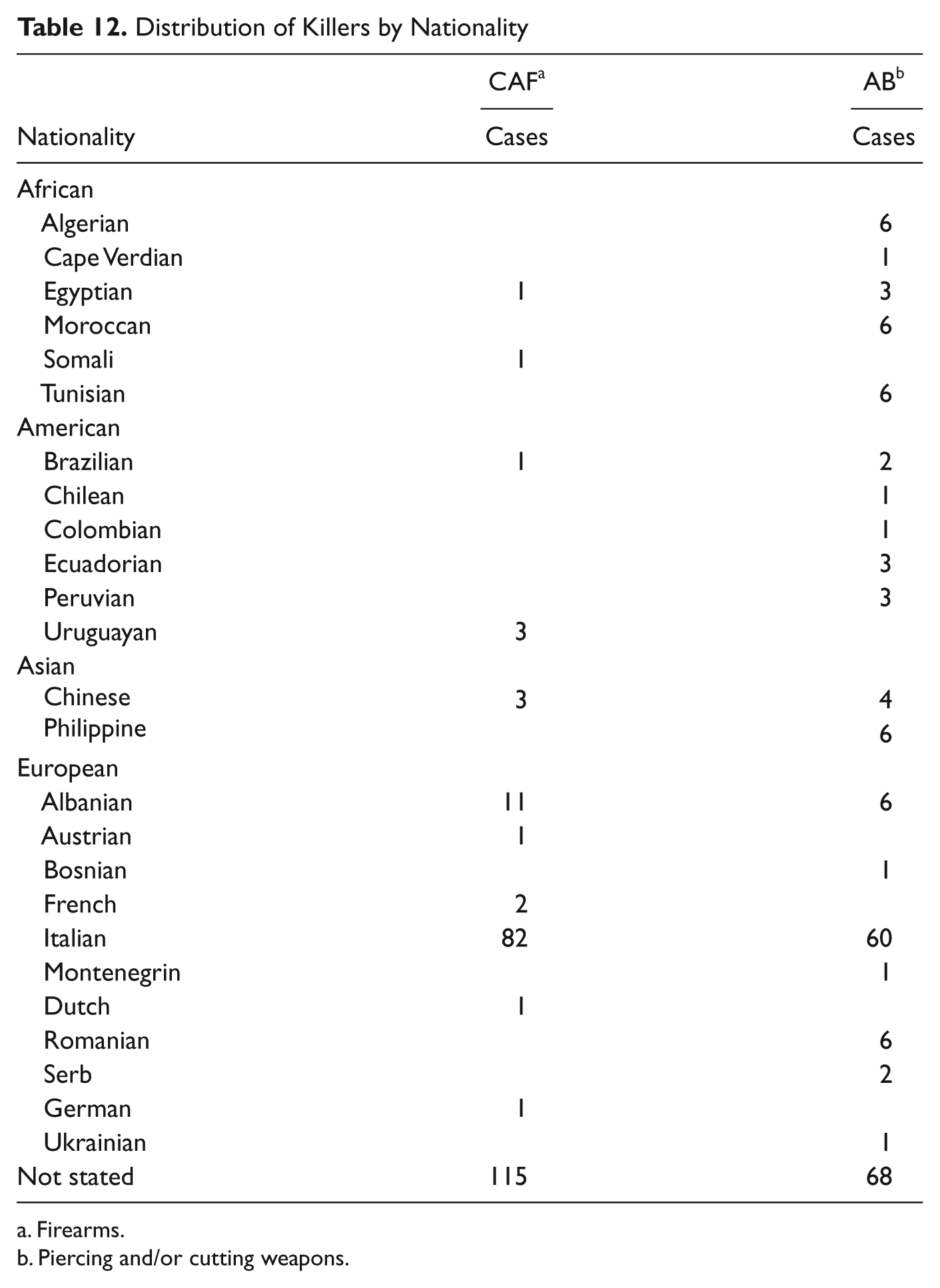
Here again, the nationalities were grouped by continent (Figure 10) and there was naturally a larger proportion of Europeans than of Africans, Asians or Americans, for both the types of weapon considered. The killers were European in 175 cases (33.4%), African in 24 (4.6%), American in 14 (2.7%) and Asian in 13 (2.5%). Among the Europeans, there were 142 Italians (27.0%), while other ethnic groups were involved in 33 cases (6.3%), mainly represented by Albanians (17 cases, 3.2%) and Romanians (6 cases, 1.1%). Among the Africans, the majority were Algerian, Moroccan and Tunisian (6 cases each, 1.1%). All the American killers (like the victims) came from South America and included people from Brazil, Ecuador, Peru and Uruguay (3 cases each, 0.6%). Among the Asians, the majority of the killers were again from China (7 cases, 1.3%), followed by the Philippines (6 cases, 1.1%). The ethnic group of the other 183 killers (34.8%) remained unknown. Concerning the firearms-related homicides, the majority of the killers were Italian (82 cases, 15.6%), while 25 were foreigners (4.7%), and the other 115 killers (22.0%) remained unidentified. Italians and foreigners committed homicide with piercing and/or cutting weapons in 60 cases each (11.4%), while in 68 cases (12.9%) it was impossible to establish the killer’s ethnic origin (Table 12).
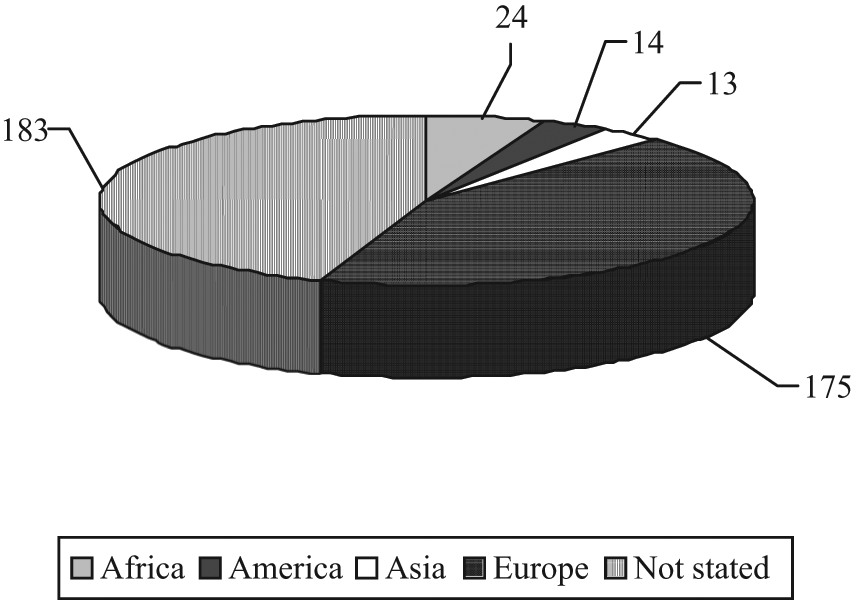
Distribution of killers by continent of origin
Distribution of Killers by Nationality
Firearms.
Piercing and/or cutting weapons.
Motives and Contexts of Homicides
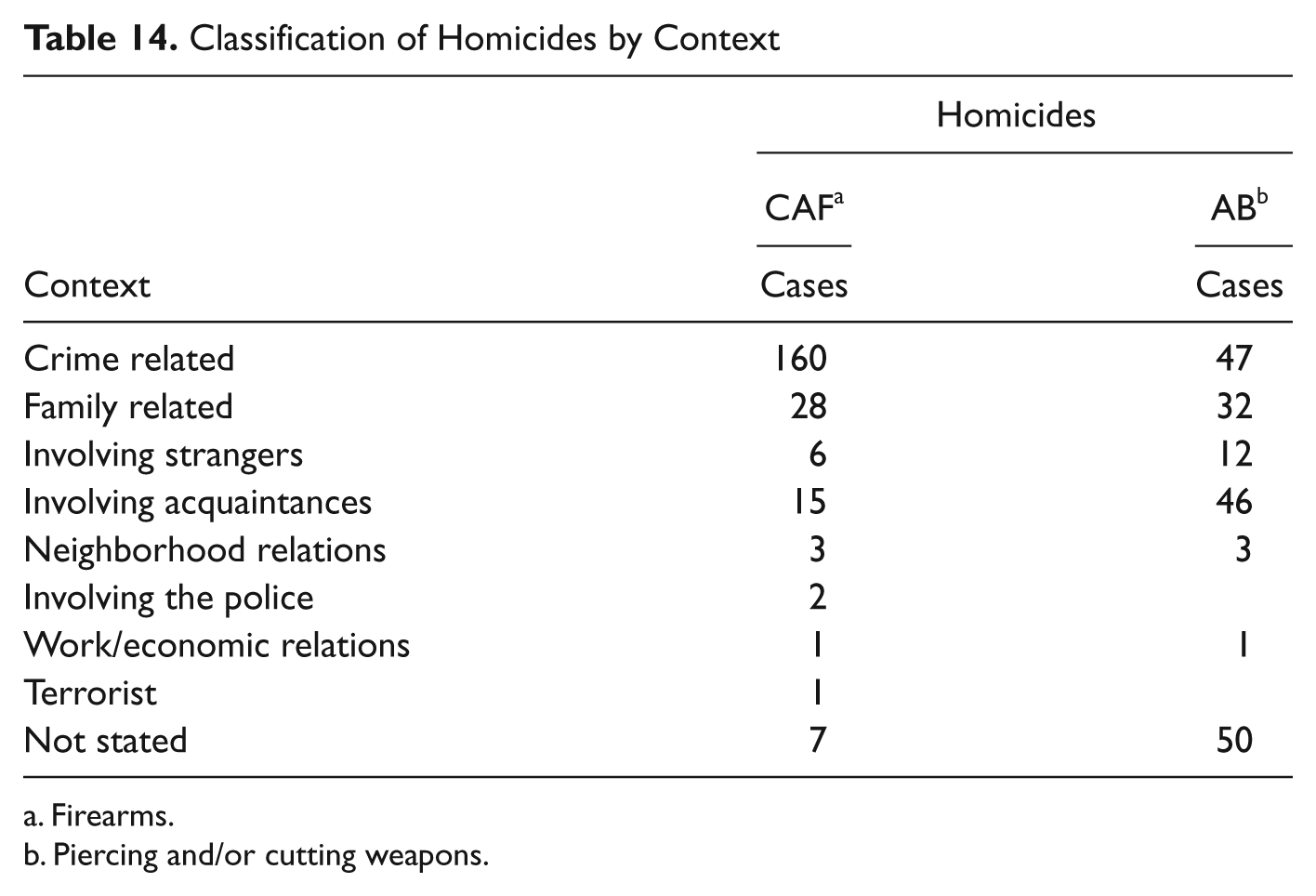
Based on the categories used by the Italian National Statistics Institute (ISTAT), we identified the motives for 128 homicides (27.2%), as listed in Table 13, classified as: arguments and disputes; monetary issues; futile motives; psychiatric disorders; crimes of passion; self-defense against robbery; the victim’s distress; casual presence; or transient insanity. In 273 cases (47.8%) it was impossible to obtain reliable data concerning the circumstances of the crime. The homicides mainly concerned arguments and disputes (42 cases, 10.5%), monetary issues in (23 cases, 5.0%), futile motives (19 cases, 4.7%), psychiatric disorders (17 cases, 4.2%), and crimes of passion (16 cases, 4.0%), followed by the other motives listed in the table. As shown in Table 14, 86.2% of the crimes were classified by context as: crime related, family related, involving strangers, involving acquaintances, neighborhood relations, involving the police, related to work or economic matters, or for terrorist goals. This last case concerned an Italian victim of a terrorist attack in Somalia, who underwent autopsy at the Medicolegal Bureau in Milan. No context was established for 57 homicides (13.8%) due to lack of information. The majority of the crimes could be classified as crime related (207 cases, 50.0%), followed by those involving acquaintances (61 cases, 14.7%), and family related (60 cases, 14.5%). It is worth noting the figure for homicides involving strangers (18 cases, 4.3%) and those relating to neighborhood relations (6 cases, 1.4%).
Classification of Homicides by Motive

Firearms.
Piercing and/or cutting weapons.
Classification of Homicides by Context
Firearms.
Piercing and/or cutting weapons.
More in detail, the most often represented contexts, for both types of weapon considered, were crime related or family related and involved both acquaintances and strangers, albeit with significant differences in the numbers involved. As far as firearms were concerned, the crime-related context (160 cases, 38.6%) prevailed in absolute terms over all the other categories, while the number for piercing and/or cutting weapons dropped to 47 cases (11.3%), giving a ratio of 3:1. For, the family-related context, with 28 (6.8%) and 32 (7.7%) cases of homicides involving firearms and piercing or cutting weapons, respectively, the ratio was 1:1.3. The context of the homicides involving acquaintances coincided with 15 cases (3.6%) involving a firearm and 46 cases (11.1%) involving a piercing or cutting weapon, giving a ratio of 1:3.6. It is worth noting the homicides involving strangers (18 cases, 4.3%), in which case there were twice as many deaths caused by a piercing and/or cutting weapon as those caused by a firearm, and also the homicides involving neighborhood relations (6 cases, 1.4%), which were evenly distributed for the two types of weapon (3 cases each).
Discussion
In the large case series analyzed here, covering a period of 16 years, more violent deaths were related to the use of firearms (2.8%) than to piercing and/or cutting weapons (1.5%). This finding is consistent with the results of similar studies (Merzagora, Gigli, & Zoja, 1995) conducted in Italy—for example, referring to the capital, Rome, where the incidence of violent deaths caused by firearms was 3.0% in the years from 1990 to 2000 (Cicciarello, Umani Ronchi, & Bolino, 2001), or to other large and medium-sized urban sprawls such as Brescia (2.8% in 1994-2006; Verzeletti, Astorri, & De Ferrari, 2009) and Genova (1.6% in 1991-2000; Ventura et al., 2001), while it not consistent with a study conducted in Bari on the period from 1988 to 2003 (Solarino, Nicoletti, & Di Vella, 2007), which reported 27.7% of firearms-related deaths. The large percentage difference in the latter case can be ascribed, probably, to different motive for homicides in Southern Italian territory as that mobster in opposition to the North of the territory in which the murders are made, for the most part, in the home. The reasons behind this phenomenon can be attributed to the loss of family values, to the increase of depressive illness (parenticide/filicide), jealousy against the woman/wife emancipated (cases of femicide) and not ultimately, the loss of jobs resulting in higher unemployment and related problems (Maffei & Merzagora, 2007). Despite the daily papers’ alarming reports on the social risk relating to criminal activities, in our sample firearms were used more in suicides (267 cases, 76.3%) than in homicides (222 cases, 53.6%) with a ratio of 1.2:1. These results enable us to obtain some useful general information on the hazards relating to firearms and their prevention. In fact, firearms were used more for self-injury than for homicidal purposes in our series and firearms were used more than piercing or cutting weapons for lethal actions, both self-inflicted and directed against others. When the autopsy findings, circumstantial evidence and clinical history of the deceased were integrated with information relating to the type of weapon used and whether or not it was legal, we found that illegal weapons were more often used in homicides and legal weapons in suicides. This is not enough to support the conviction that people authorized to possess a weapon are at greater risk of armed violence, but it does indicate the need for a reappraisal of the efficacy and appropriateness of the psychophysical assessments conducted before issuing firearms licenses (Clerici, de’ Micheli, Veneroni, Pirro, & Albasi, 2008). This need is also dictated by the number of suicides committed using firearms legally in the possession of individuals who had already attempted suicide (128 cases, 36.6%), or were taking psychoactive medication (120 cases, 34.3%) or suffered from psychiatric disorders (126 cases, 47.2%; Appelbaum, 2006; Appelbaum, Robbins, & Monahan, 2000). As concerns the use of piercing and/or cutting weapons, the number of deaths showed an incidence of 1.6% of all cases on which autopsies were conducted at the University of Milan Medicolegal Department during the period of time considered. In this case, the reported number of suicides could underestimate the real extent of the phenomenon, however, because the authorities do not always order an autopsy to be performed. In fact, when the data anamnestic-circumstantial of crime scene is sufficient to clarify the dynamics of death, the case is filed without further investigation. It is also important to remember that in some Italian regions, such as Campania, Sicily and Sardinia, it was traditional for centuries to carry knives for personal use. While in the past this might have been justified by the people’s working activities, such habits should have been abandoned nowadays, but carrying knives is still a common practice and migration phenomena have extended this practice to many other regions, including Lombardy, where the practice is by no means marginal. Foreign immigration from North Africa and the Eastern European countries, such as Serbia, Croatia and Albania, has also contributed to the circulation of increasing number of cutting weapons, particularly amongst the younger criminals as a means of adaptation to immigration status (Mesch, Turjeman, & Fishman, 2008) for dealing with territorial conflicts, in their drug dealing for instance. These issues help to explain the rising numbers of crimes perpetrated using cutting weapons in these particular ethnic groups too, which were most frequently involved in such crimes. Consistently with national (Preti, 2012) and international (Davies, Wells, Squires, Hodgetts, & Lecky, 2012) case series, we found a low percentage of women using weapons to mortally wound themselves or others. The female gender was involved in only 46 cases (7.9%) and it is worth further analyzing the greater propensity of males to use firearms and piercing or cutting weapons to wound themselves and others, for which the psychodynamic tradition provides some explanations (Hillman, 2004). There are various sources of institutional information on suicides and homicides, but they provide little useful information for the purposes of a more in-depth understanding of such a multifactor phenomenon, which cannot be brought down simply to psychopathological causes. Our real understanding of the abuse of firearms by the Italian population is still limited and unable to point to risk indicators or elements on which to base any prevention measures. The increase in the use of legal firearms as opposed to illegal weapons emerging from our study, albeit to a lesser degree in recent years, cannot be reliably attributed (given the limited number of cases observed) to the extraordinary review of firearms licenses decided by the Italian Ministry of the Interior in 2003. This counteraction measure was implemented following several dramatic episodes of homicide-suicide involving individuals duly authorized to possess firearms. Some doubts have been voiced on the efficacy of more extreme action to restrict the legal possession of firearms in Italy—as in Great Britain, for instance. The growing demand for personal security drives citizens to equip themselves with firearms and the considerable numbers of people who legitimately practise sporting and recreational activities involving the use of firearms (e.g. hunting and shooting for sport) are factors that make any implementation of more restrictive legislative measures unlikely in our country. Advances in research on these issues nonetheless represent a priority if prevention methods implemented in the future are to be effective without penalizing the firearms sector and pointlessly harassing the national health system and the citizens. A better programming of suitable measures to deal with the abuse of legal firearms needs to be able to rely on a multidisciplinary psychiatric, clinical psychological and psychotherapeutic reassessment designed to obtain data on a more representative sample population, whereas the studies conducted in Italy and in the ISTAT national statistics have not investigated the legal/illegal nature of the firearms used in cases of homicide and suicide. In addition, there is a lack of information on a fundamental issue, and that is the total number of legal firearms in the population’s possession on a yearly basis. Psychiatric assessments on the matter of firearms continue to pose a broad and weighty problem destined to remain a topical issue in years to come, also because it is essential for any legislation to be founded on reliable scientific evidence and data.
Footnotes
Declaration of Conflicting Interests
The author(s) declared no potential conflicts of interest with respect to the research, authorship, and/or publication of this article.
Funding
The author(s) received no financial support for the research, authorship, and/or publication of this article.
Bios