
In brief
 Available accessIn briefFirst published May, 2019pp. 488-492

Select search scope: search across all journals or within the current journal


 Available accessIn briefFirst published May, 2019pp. 488-492Available accessEditorialFirst published May, 2019pp. 493-497
Psychological safety at work means that you can be yourself at work and speak up with a dissenting opinion without fear of reprisals. I’m lucky to have worked more often than not in cultures predominantly defined by respect and with colleagues who not only make me feel safe but who also routinely inspire me to bring my best self to the office. Can the same be said for most workplaces in America? If you study this question, you will find that all roads lead to the extraordinary scholarship of Harvard Business School’s Amy Edmondson. This editorial reviews the advantages of building a fearless health promotion profession and argues that we need to substitute some natural, understandable tendencies with some unnatural but powerful traits.
Available accessResearch articleFirst published May, 2019pp. 498-506This study examined the relationships among intermediary determinants, structural determinants, and adult smoking status and quit attempts.
Secondary data analysis of cross-sectional data.
Data come from the 2015 Behavioral Risk Factor Surveillance System (BRFSS), Social Context module. A national, representative sample from 12 US states (Alabama, Arkansas, Delaware, District of Columbia, Georgia, Louisiana, Minnesota, Mississippi, Missouri, Rhode Island, Tennessee, and Utah).
A total of 64 053 noninstitutionalized US adults aged ≥18 years.
Smoking status and quit attempts were outcome variables. Individual-level structural determinants (age, sex, race/ethnicity, marital status, education, and employment status) and intermediary determinants (housing insecurity, food insecurity, health insurance, binge drinking, and general health mental health) from BRFSS.
Weighted multivariate, multinomial logistic regression.
Current smoking was greater among men, respondents aged between 35 to 64 and 55 to 64, adults who reported food insecurity, housing insecurity, frequent mental distress, binge drinking, and who were unemployed. Current smokers had higher odds of making quit attempts in the past 12 months if they were non-Hispanic Black, graduated college, and reported food and housing insecurity.
Multifaceted smoking cessation interventions that address food and housing needs also incorporate screening for potential comorbidities such as mental distress and/or hazardous alcohol use and may be needed to enhance smoking cessation rates among racially diverse adults.
Available accessResearch articleFirst published May, 2019pp. 507-515 , Katherine R. O’Shields , [...]
To assess the relationship between light-intensity physical activity (LIPA) and cardiometabolic risk factors among middle-aged and older adults with multiple chronic conditions.
Cross-sectional design utilizing data from the Health and Retirement Study (2010, 2012).
Laboratory- and survey-based testing of a nationally representative sample of community-dwelling middle aged and older adults.
Adults aged 50 years and older (N = 14 996).
Weighted metabolic equivalent of tasks was calculated using self-reported frequency of light, moderate, and vigorous physical activity. Cardiometabolic risk factors (systolic and diastolic blood pressure, glycosylated hemoglobin [HbA1c], high-density lipoprotein cholesterol [HDL-C], total cholesterol, and non-HDL-C) were objectively measured. A multiple chronic condition index was based on 8 self-reported chronic conditions.
Weighted multivariate linear regression models.
Light-intensity physical activity was independently associated with favorable HDL-C (β = 1.25; 95% confidence interval [CI]: 0.46-2.05) and total cholesterol (β = 2.72; 95% CI: 0.53-4.90) after adjusting for relevant confounders. The HDL-C health benefit was apparent when stratified by number of chronic conditions, for individuals with 2 to 3 conditions (β = 1.73; 95% CI: 0.58-2.89). No significant associations were observed between LIPA and blood pressure, HbA1c, or non-HDL-C.
Engaging in LIPA may be an important health promotion activity to manage HDL-C and total cholesterol. Additional longitudinal research is needed to determine the causal association between LIPA and cardiometabolic risk which can potentially inform physical activity guidelines targeting older adults with multiple chronic conditions.
Available accessResearch articleFirst published May, 2019pp. 516-524Evaluate the feasibility and preliminary efficacy of implementing evidence-based tobacco treatment at the workplace for service industry employees.
Randomized trial using 6 paired worksites (3 test and 3 delayed intervention control sites).
US Northeast city.
Employees were recruited from university food service settings.
Comprehensive smoking treatment was provided at the workplace including individual counseling, free pharmacotherapy (dual nicotine replacement therapy or varenicline), and 5 weeks of contingency management that reinforced abstinence or reductions in smoking to encourage progress toward quitting.
Primary measures included a smoking status survey administered at the end of treatment at the test sites and before treatment began at the delayed intervention control sites.
Analyses compared rates of quit attempts and successful abstinence for at least 24 hours between the test and delayed intervention control sites.
Twenty-five employees were enrolled in treatment. The majority were single (12/25), black (16/25), and reported their educational attainment as high school or less (18/25). Employees in the test (vs delayed intervention control) sites reported higher rates of quit attempts (66.7% vs 12.5%,
Findings support the feasibility and efficacy of providing workplace-based smoking cessation services and may inform strategies to increase access to treatment.
Available accessResearch articleFirst published May, 2019pp. 525-533The Healthy Food Financing Initiative (HFFI) aims to expand access to healthy foods in low-resourced communities across the United States. This study examined changes in food and beverage availability and marketing in nearby small food stores after the opening of an HFFI-supported supermarket in a predominately low-income and African American community.
Natural experiment.
Rockford, Illinois.
A full audit was conducted of the small grocery and limited service stores located in a 1-mile radius around the new supermarket (N = 22) and a 1-square mile area within a nearby demographically matched comparison community (N = 18). Stores were audited in 2015 (1 month preopening) and 2016 (1 year afterward).
Store characteristics, item availability, and interior and exterior promotions/advertisements were examined.
Difference-in-difference (DID) regression models assessed pre- and postintervention changes in availability and marketing between small food stores in the intervention and comparison communities.
The DID regression models indicated no difference between intervention and comparison communities with respect to changes in availability and marketing of all food items with the exception of frozen vegetables which had higher availability postintervention in the comparison community versus intervention (β for interaction term = .67; standard error: 0.33;
After the opening of the HFFI-supported supermarket, food and beverage availability and marketing in nearby small food stores did not change significantly. However, the wide range of staple foods offered by the supermarket contributed to the expansion of healthy food retail in the intervention community.
Available accessResearch articleFirst published May, 2019pp. 534-540To examine the association of perceived risk of prediabetes and diabetes with leisure-time physical activity (LTPA) and weight loss, and determine whether the association of risk perception with LTPA and weight loss varies by race/ethnicity.
Cross-sectional.
National Health and Nutrition Examination Survey (NHANES) 2011-2014.
Non-Latino white, non-Latino black, and Latino nondiabetic and nonprediabetic NHANES participants ≥18 years of age who were not underweight (n = 9550).
Demographic characteristics, LTPA, attempted weight loss, and perceived risk of prediabetes or diabetes.
Log-binomial regression models were fit to assess the association of perceived risk with meeting LTPA recommendations and having attempted to lose weight, overall and by race/ethnicity.
Individuals reporting that they perceived they could be at risk for diabetes/prediabetes were less likely to meet LTPA recommendations (adjusted prevalence ratio [aPR]: 0.87; 95% confidence interval [CI]: 0.79-0.95), but significantly more likely to report attempting weight loss in the past year (aPR: 1.14; 95%CI: 1.04-1.25), compared with those reporting no risk perception. Latino and non-Latino blacks who perceived they could be at risk for diabetes/prediabetes were 25% and 35% more likely to report trying to lose weight in the past year (aPR: 1.25; 95% CI: 1.08-1.44 and aPR: 1.35; 95% CI: 1.19-1.54, respectively), compared with Latino and non-Latino blacks that did not perceive being at risk. In contrast, non-Latino whites who perceived they were at risk were 20% less likely to report meeting LTPA recommendations (aPR: 0.80; 95% CI: 0.72-0.89), compared with non-Latino whites reporting no risk perception.
Findings highlight the role of perceived risk for prediabetes and diabetes in LTPA and weight loss, with findings varying by race/ethnicity. Awareness of prediabetes and diabetes risk could contribute to efforts aimed at improving LTPA and weight loss.
Available accessResearch articleFirst published May, 2019pp. 541-548To identify school typologies based on the availability of play equipment and installations. We also examined the associations between availability of play items and child adiposity.
Secondary analysis of longitudinal data.
Elementary schools in Montreal, Canada.
We used data from the Quebec Adipose and Lifestyle Investigation in Youth study (QUALITY), an ongoing investigation of the natural history of obesity and type 2 diabetes in Quebec children of Caucasian descent.
The presence of play items was assessed in each child’s school. A trained nurse directly assessed child anthropometric measurements to derive body mass index and waist circumference. Body fat composition was measured using DEXA Prodigy Bone Densitometer System.
The final analytic sample comprised 512 students clustered in 296 schools (81% response). We used K-cluster analyses to identify school typologies based on the variety of play items on school grounds. Generalized estimation equations were used to estimate associations between school clusters and outcomes.
We identified 4 distinct school typologies. Children in schools with the most varied indoor play environments had lower overall body fat,
Our results suggest that policies regulating the availability of play items in schools may enrich comprehensive school-based obesity prevention strategies. Extending research in this area to diverse populations is warranted.
Available accessResearch articleFirst published May, 2019pp. 549-557There is minimal information regarding the Reach and Adoption of evidence-based weight loss maintenance interventions for African Americans of faith.
The WORD (Wholeness, Oneness, Righteousness, Deliverance) was an 18-month, cluster randomized trial designed to reduce and maintain weight loss in African American adults of faith. Participants received the Diabetes Prevention Program adapted core weight loss program for 6 months, and churches were subsequently randomized to 12-month maintenance treatment or control. All participants underwent body weight and associated behavioral and psychosocial assessments at baseline, 6, 12, and 18 months. The current article focuses on assessing Reach and Adoption at baseline and 6 months using the Reach, Effectiveness, Adoption, Implementation, and Maintenance framework.
Lower Mississippi Delta.
Thirty churches, 61 WORD Leaders (WLs), and 426 participants.
Group delivered by trained community members (WLs).
Body mass index and percentage weight lost from baseline to 6-month follow-up were measured. Reach was assessed at participant, WL, and church levels through calculating participation rates and sociodemographics of each level. Adoption was assessed at church and WL levels.
Descriptive statistics summarized baseline characteristics of each level. Continuous and categorical end point comparisons were made.
Participants’ participation rate was 0.84 (n = 437 agreed to participate, n = 519 eligible invited to participate); they were predominantly female, employed, and had a mean age of 49.8. Dropouts by 6 months were younger, had differential marital status, and religious attendance compared with retained participants. Church participation rate was 0.63 (n = 30 enrolled, n = 48 eligible approached) and the majority reported ≤100 active members. The WL participation rate was 0.61 (n = 61 implemented intervention, n = 100 eligible approached); they were primarily female and aged 53.9 (mean).
Recruitment, engagement, and delivery strategies employed by the WORD show promise of sustained engagement and adoption in other faith-based behavioral weight management programs for African Americans.
Available accessResearch articleFirst published May, 2019pp. 558-565, Carol L. Schmitt, Amy Henes , [...]To understand the tobacco acquisition practices of low-income smokers in New York State in light of high cigarette prices due to high cigarette taxes.
Eight focus groups with low-income smokers were conducted in spring 2015 and 2016 (n = 74).
New York City (NYC) and Buffalo, New York.
Low-income adults aged 18 to 65 who smoke cigarettes regularly.
Qualitative analysis of focus group transcripts that explored differences and similarities by region. We used the interview guide—which covered the process of acquiring cigarettes and the impact of cigarette prices—as a framework for analysis to generate themes and subthemes (deductive coding). We also generated themes and subthemes that emerged during focus group discussions (inductive coding).
Some smokers in Western New York have switched to untaxed cigarettes from Native American reservations, whereas low-income smokers in NYC described convenient sources of bootlegged cigarettes (packs or loosies) in their local neighborhood stores, through acquaintances, or on the street. Familiarity with the retailer was key to accessing bootlegged cigarettes from retailers.
Smokers in this study could access cheaper cigarettes, which discouraged quit attempts and allowed them to continue smoking. The availability of lower priced cigarettes may attenuate public health efforts aimed at reducing smoking prevalence through price and tax increases.
Available accessResearch articleFirst published May, 2019pp. 566-575To evaluate the effectiveness of Salud, Educación, Prevención, y Autocuidad/Health, Education, Prevention and Self-care (SEPA) to increase human immunodeficiency virus (HIV)/sexually transmitted infections (STI) prevention behaviors for Hispanic women delivered in a real-world setting.
Randomized controlled trial.
Participants were recruited from the Miami Refugee Center, the Florida Department of Health, and public locations in Miami.
Three hundred twenty Hispanic women.
The SEPA is a culturally tailored intervention developed to address HIV/STI risk behaviors among Hispanic women. The SEPA intervention consisted of three 2.5 hour sessions per week conducted with small groups. The SEPA sessions consisted of group discussions, role playing, negotiation skills, partner communication, and skills building as part of the methodology.
Acculturation, HIV/STI risk behaviors, HIV knowledge, partner communication, intimate partner violence, drug/alcohol use, condom use.
Differences at baseline by group were assessed using Wilcoxon rank sum test, χ2, and a negative-binomial model. Changes in dependent variables, compared to baseline, were analyzed in separate models. Log-binomial models and negative binomial models were used for dichotomous and count/rate-type dependent variables.
Significant outcome improvements were observed in the SEPA group at 6 and 12 months follow-up. The adjusted prevalence of any condom use was 30% and 37% higher at each follow-up. The adjusted prevalence of answering 10/12 HIV knowledge questions correctly rose by 57% and 63% at each follow-up. Intimate partner violence was significantly lower at each subsequent time point (62% and 41% of baseline). Moderate depressive symptoms were reduced to 50% and 42%, getting drunk was reduced to 20% and 30%, and condom use self-efficacy was significantly higher (84% and 96%).
The SEPA intervention reduced HIV/STI risk-related behaviors when delivered in a real-world setting. The results suggest that SEPA can be implemented in various settings to reach Hispanic women, and that SEPA could reach large numbers of women in an efficient, cost-effective way.
Available accessResearch articleFirst published May, 2019pp. 576-585, Nour Makarem, Kathleen T. Hickey , [...]Investigate sexual orientation differences in cardiovascular disease risk and cardiovascular disease.
Cross-sectional.
The 2014 to 2016 Behavioral Risk Factor Surveillance System.
A total of 395 154 participants.
The exposure measure was sexual orientation. Self-report of cardiovascular disease risk factors and cardiovascular disease was assessed.
Sex-stratified logistic regression analyses to examine sexual orientation differences in cardiovascular disease risk and cardiovascular disease (heterosexuals = reference group).
Sexual minority men reported higher rates of mental distress (gay adjusted odds ratio [AOR]: 1.59; bisexual AOR: 1.88) and lifetime depression (gay AOR: 2.48; bisexual: AOR 2.67). Gay men reported higher rates of current smoking (AOR: 1.28), but lower rates of obesity (AOR: 0.82) compared to heterosexual men. Sexual minority women reported higher rates of several cardiovascular risk factors including mental distress (lesbian AOR: 1.37; bisexual AOR: 2.33), lifetime depression (lesbian AOR: 1.96; bisexual AOR: 3.26), current smoking (lesbian AOR: 1.65; bisexual AOR: 1.29), heavy drinking (lesbian AOR: 2.01; bisexual AOR: 2.04), and obesity (lesbian AOR: 1.50; bisexual AOR: 1.29), but were more likely to exercise than heterosexual women (lesbian AOR: 1.34; bisexual AOR: 1.24). Lesbian women reported lower rates of heart attack (AOR: 0.62), but bisexual women had higher rates of stroke than heterosexual women (AOR: 1.46).
Findings can inform the development of prevention efforts to reduce cardiovascular disease risk in sexual minorities.
Available accessResearch articleFirst published May, 2019pp. 586-596, Malcolm V. Williams, Karen R. Flórez , [...]To implement a multilevel, church-based intervention with diverse disparity populations using community-based participatory research and evaluate feasibility, acceptability, and preliminary effectiveness in improving obesity-related outcomes.
Cluster randomized controlled trial (pilot).
Two midsized (∼200 adults) African American baptist and 2 very large (∼2000) Latino Catholic churches in South Los Angeles, California.
Adult (18+ years) congregants (n = 268 enrolled at baseline, ranging from 45 to 99 per church).
Various components were implemented over 5 months and included 2 sermons by pastor, educational handouts, church vegetable and fruit gardens, cooking and nutrition classes, daily mobile messaging, community mapping of food and physical activity environments, and identification of congregational policy changes to increase healthy meals.
Outcomes included objectively measured body weight, body mass index (BMI), and systolic and diastolic blood pressure (BP), plus self-reported overall healthiness of diet and usual minutes spent in physical activity each week; control variables include sex, age, race–ethnicity, English proficiency, education, household income, and (for physical activity outcome) self-reported health status.
Multivariate linear regression models estimated the average effect size of the intervention, controlling for pair fixed effects, a main effect of the intervention, and baseline values of the outcomes.
Among those completing follow-up (68%), the intervention resulted in statistically significantly less weight gain and greater weight loss (−0.05 effect sizes; 95% confidence interval [CI] = −0.06 to −0.04), lower BMI (−0.08; 95% CI = −0.11 to −0.05), and healthier diet (−0.09; 95% CI = −0.17 to −0.00). There was no evidence of an intervention impact on BP or physical activity minutes per week.
Implementing a multilevel intervention across diverse congregations resulted in small improvements in obesity outcomes. A longer time line is needed to fully implement and assess effects of community and congregation environmental strategies and to allow for potential larger impacts of the intervention.
Available accessBrief reportFirst published May, 2019pp. 597-600To examine the short-term impact of a personalized environmental report-back intervention to reduce home exposure to tobacco smoke and radon on perception of synergistic risk for lung cancer. Radon-induced lung cancer is more common among those exposed to tobacco smoke.
Randomized controlled trial.
Primary care clinics and a pharmacy waiting area at a University Medical Center in the Southeastern United States and community events.
Five hundred sixty adult homeowners and renters (3-month follow-up, n = 334).
Personalized environmental report back.
Single-item synergistic risk perception measure using 5-point Likert-type scale.
Change in synergistic risk from baseline to 3 months was evaluated using a generalized estimating equation model containing main effects of treatment group and time. Covariates in the model included age, gender, education, and home smoking status.
For treatment and control groups combined, there was a significant increase in perception of synergistic risk from baseline to 3 months, but the study groups did not differ. There was no association between perceived synergistic risk and whether or not there were smokers at home.
Learning about combined risks for lung cancer, with or without dual home screening for secondhand smoke and radon and environmental report-back, may enhance perceived risk for combined environmental exposures. Evaluation of perceived synergistic risk with a single item is a study limitation.
Available accessBrief reportFirst published May, 2019pp. 601-605To test the role of financial incentives to motivate engagement in diabetes prevention programs (DPPs).
Minnesota, Montana, and New York randomized 3 different approaches to providing incentives: incentivizing class attendance and weight loss (all states), class attendance only (NY), and weight loss only (NY). We used New York to test how different approaches to providing incentives influence DPP completion and attendance.
Health-care facilities and local young men’s Christian association.
Eight hundred thirty one Medicaid enrollees in Minnesota, 204 in Montana, and 560 in New York.
Impact of the financial incentives on DPP program completion rates. We measured completion of DPP classes in 2 ways: completing 9 or more or 16 or more DPP classes.
Multivariate logistic model to compare completion of DPP classes between participants randomized into receiving financial incentives and controls.
Receipt of incentives was associated with higher odds at attending 9 or more classes (odds ratio [OR]: 2.2;
Among Medicaid beneficiaries, financial incentives improve DPP class attendance.
Available accessBrief reportFirst published May, 2019pp. 606-610, Stuart L. Usdan, Adam P. Knowlden , [...]The purpose of this study was to identify the relationship between work-related, individual, and environmental factors and self-reported standing time during the workday.
Cross-sectional study design.
Participants were recruited from a large, public university in the southeastern United States.
Data were collected through an 87-item online survey using previously validated scales that assessed workplace standing time, demographic variables, work-related psychosocial factors, and workplace environment factors.
One-way analysis of variance, Pearson correlation coefficients, and nonparametric tests were used to determine univariate relationships between standing time and independent work-related variables and demographic factors.
Mean standing time among the sample (n = 502) was 72.49 minutes (standard deviation = 73.48) daily. There was a significant relationship between standing time and barrier self-efficacy for standing at work, self-regulation strategies, social norms, local connectivity in the workplace, overall connectivity in the workplace, and proximity of coworkers. Standing time was significantly higher for men, employees with an advanced degree, employees with a standing desk, and faculty.
Health promotion researchers and practitioners should consider factors at multiple levels of influence when designing studies to explore workplace sedentary behavior. The findings regarding variations in workplace behavior by employee subgroups should be taken into consideration when designing future studies in the workplace.
Available accessBrief reportFirst published May, 2019pp. 611-615, Aaron M. SecrestGoogle Trends (GT) offers insights into public interests and behaviors and holds potential for guiding public health campaigns. We evaluated trends in US searches for sunscreen, sunburn, skin cancer, and melanoma and their relationships with melanoma outcomes.
Google Trends was queried for US search volumes from 2004 to 2017. Time-matched search term data were correlated with melanoma outcomes data from Surveillance Epidemiology and End Results Program and United States Cancer Statistics databases (2004-2014 and 2010-2014, respectively).
Users of the Google search engine in the United States.
Google search engine users in the United States. This represents approximately 65% of the population.
Search volumes, melanoma outcomes.
Pearson correlations between search term volumes, time, and national melanoma outcomes. Spearman correlations between state-level search data and melanoma outcomes.
The terms “sunscreen,” “sunburn,” “skin cancer,” and “melanoma” were all highly correlated (
We conclude that online skin cancer prevention campaigns should focus on the search terms “sunburn” and “sunscreen,” given the decreasing online searches for skin cancer and melanoma. This is reinforced by the finding that sunscreen searches are higher in areas with higher melanoma incidence.
Available accessBrief reportFirst published May, 2019pp. 616-619 , [...]To develop and validate an instrument to identify factors that influence what is ordered for catered events for employees at a large university.
Themes derived from focus groups were used to develop a survey.
A large public university in central Texas.
Twenty-seven administrative assistants who order food participated in focus groups, 138 completed the survey, and 31 completed the survey a second time.
One hundred fourteen-question, 5-point Likert scale survey.
Principal component analyses explored constructs. Confirmatory factor analysis confirmed structure validity. Test -retest analyses assessed reliability.
The final survey, the Understanding Food Ordering Survey (UFO), included 19 items within 3 factors; all factor loadings were above 0.3, with no cross-loadings. Three factors explained 55.5% of the variance. Cronbach α values of .846 for social influences from supervisors/coworkers, .838 for restrictions on ordering due to policies/vendors/attendee feedback, .893 for personal views about nutrition, and .831 for the total affirmed reliability. Test–retest reliability was acceptable (
Interventions to improve the nutritional quality of foods selected for catering may benefit from addressing contributory factors while considering a top-down approach to changing the workplace culture.
Available accessEditorialFirst published May, 2019pp. 620-620 Available accessEditorialFirst published May, 2019pp. 620-633
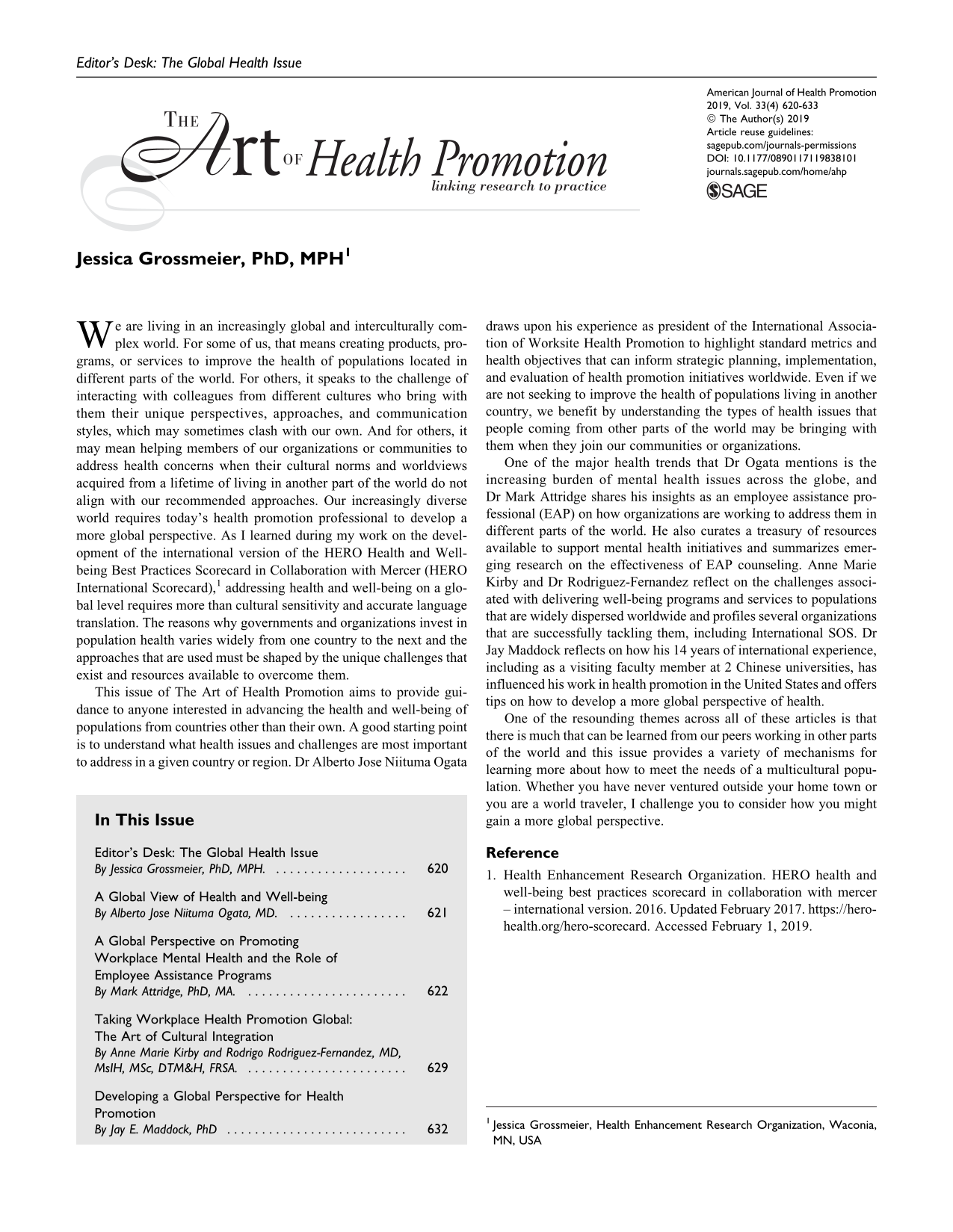 Available accessEditorialFirst published May, 2019pp. 621-622
 Available accessEditorialFirst published May, 2019pp. 622-629
 Available accessEditorialFirst published May, 2019pp. 629-631
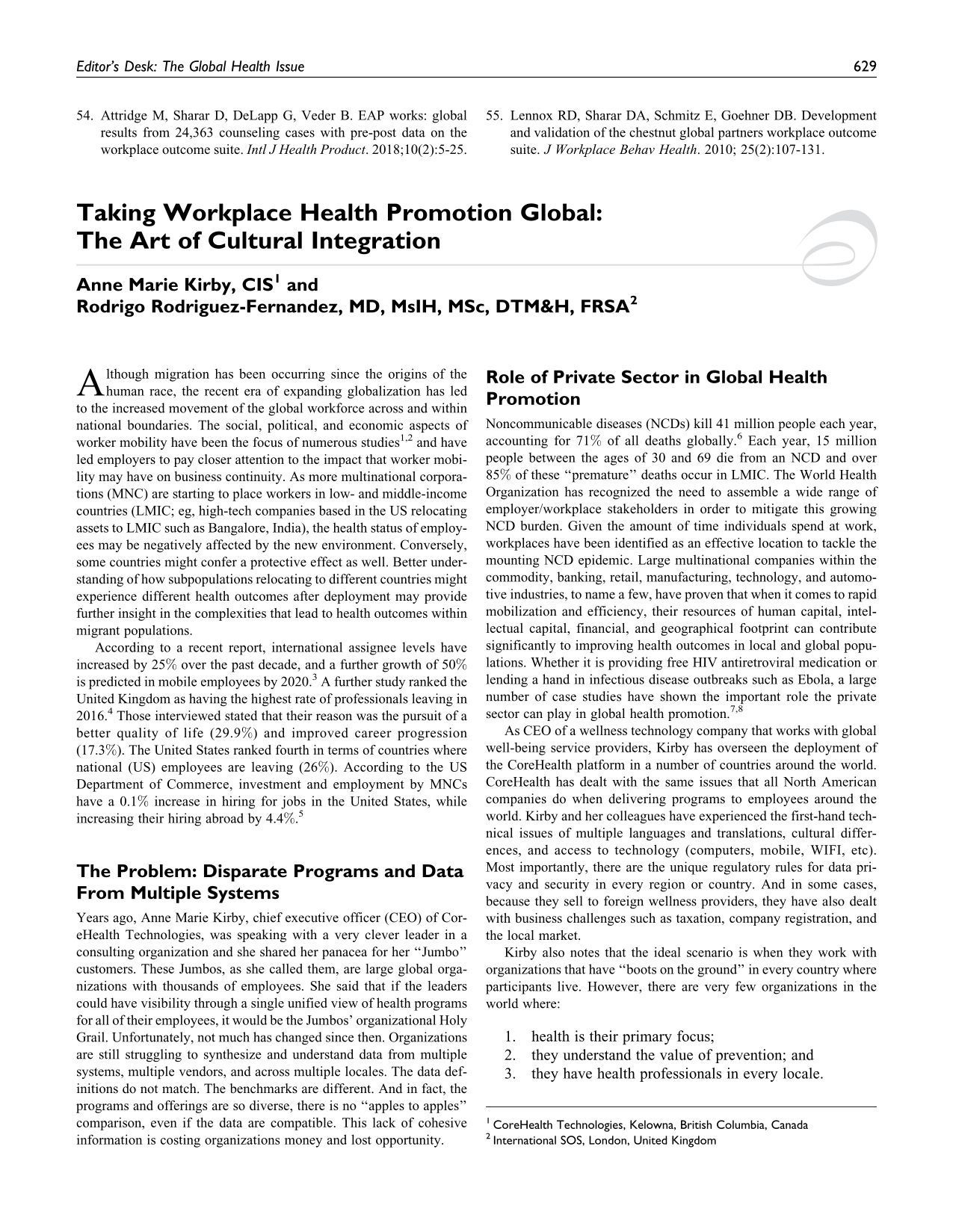 Available accessEditorialFirst published May, 2019pp. 632-633
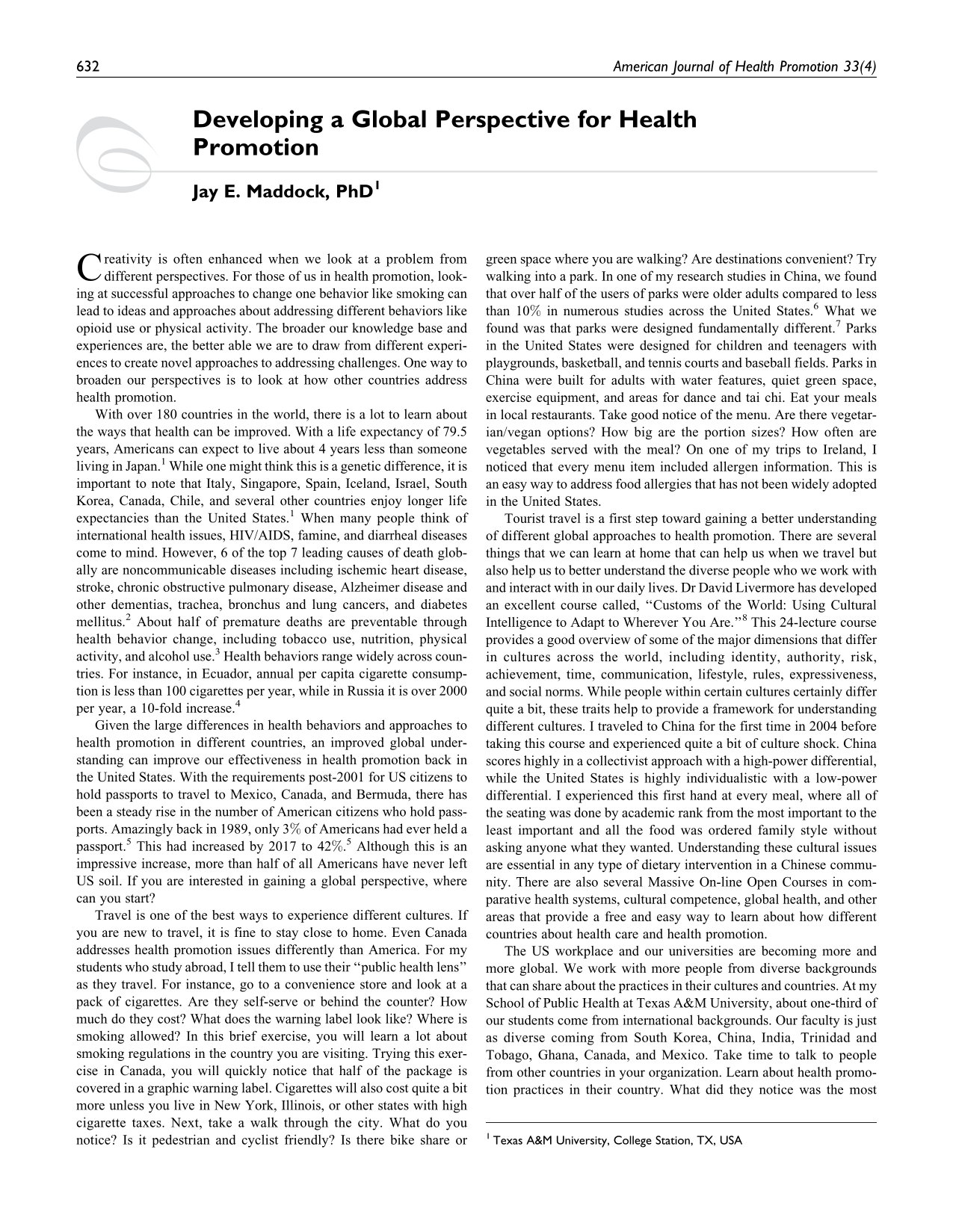 Available accessCorrectionFirst published May, 2019pp. 634-634