Throughout humanity's existence, dance and creative movement have been used to express concepts, attitudes, and emotions, as well as to develop skills. Dance offers a paradigm to investigate neuroplasticity associated with learning sensorimotor interactions, and how these interactions enhance health, psychosocial, cognitive, and motor function, including for older individuals with neurotrauma and neurodegenerative disease. This collection explores the science of learning to move and its impact on cognition, how the neuropsychological aspects of the creative movement process is manifested in the brain, and how creative movement or dance can be harnessed to enhance health, cognitive function, and quality of life.
Research article
Available accessResearch articleFirst published June, 2025pp. 1037-1046
Deborah A Jehu, Faheem Pottayil, Yanbin Dong , [...]
View All
Abstract
Background
Physical activity preserves cognitive function in people without dementia, but the relationship between physical activity and cognitive domains among people living with dementia is unclear.
Objective
The objective of this study was to explore the association between physical activity and cognition domains among people living with dementia.
Methods
Participants living with dementia in residential care facilities (complete case analysis: n = 24/42) completed a battery of cognitive tests (global cognition: Montreal Cognitive Assessment; executive function: Trail-Making Test, Digit Span Forward Test; perception and orientation: Benton Judgement of Line Orientation Test; language: Boston Naming Test; learning and memory: Rey Auditory Verbal Learning Test; complex attention: Digit Symbol Substitution Test). Participants wore an actigraphy monitor on their non-dominant wrist over seven days. We conducted a linear regression for total physical activity (independent variable) with race (white/black), fall risk (Morse Fall Scale), and the number of comorbidities (Functional Comorbidities Index) as covariates, and cognitive tests as variables of interest.
Results
Participants were primarily male (75%), white (87.5%), and 50%had unspecified dementia (Alzheimer’s disease: 33%). Greater physical activity was associated with poorer global cognition, better executive function, and better learning and memory (ps < 0.05). Physical activity was not related to visuospatial perception, language, or complex attention.
Conclusions
Physical activity may preserve executive function and learning and memory among people living with dementia. Wandering is more common in later stages of dementia, which may explain greater physical activity observed with lower global cognition. Regularly assessing physical activity may be useful in screening and monitoring cognitive changes.
Research article
Available accessResearch articleFirst published June, 2025pp. 1047-1068
Meghan E KazanskiORCID, Sahrudh Dharanendra, Michael C Rosenberg , [...]
View All
Abstract
Background
No effective therapies exist to prevent neurodegenerative mild cognitive impairment (MCI) related to Alzheimer's disease. Therapies integrating music and/or dance are promising non-pharmacological options to effectively mitigate cognitive decline.
Objective
To deepen our understanding of individuals’ relationships (i.e., histories, experiences, and attitudes) with music and dance, in order to incorporate such knowledge into the design of music- and dance-based interventions, thereby improving therapeutic outcomes.
Methods
Eleven older adults with MCI and five of their care partners/ spouses (4 M/12F; Black: n = 4, White: n = 10, Hispanic/Latino: n = 2; Age: 71.4 ± 9.6 years) first completed questionnaires, then participated in focus groups that captured aspects of their relationships with music and dance. Emergent themes were extracted from four major topics, including: (1) experience and history, (2) enjoyment and preferences, (3) confidence and barriers, and (4) impressions of music and dance as therapeutic tools.
Results
Thematic analysis revealed participants’ positive impressions of music and dance as potential therapeutic interventions, citing perceived neuropsychological, emotional, and physical benefits. Participants viewed music and dance as integral to their lives, histories, and identities within a culture, family, and/ or community. Participants also identified lifelong engagement barriers that, in conjunction with negative feedback, instilled persistent low self-efficacy regarding dancing and active music engagement. Questionnaires verified individuals’ moderately-strong music and dance relationships, which were strongest in passive forms of music engagement (e.g., listening).
Conclusions
Our findings support that individuals’ music and dance relationships and the associated perceptions toward music and dance therapy may offer valuable insights that enhance the design of efficacious and engaging non-pharmacological therapies for individuals with MCI.
Research article
Open accessResearch articleFirst published June, 2025pp. 1069-1084
Dancing may be protective for cognitive health among adults with mild cognitive impairment, Alzheimer's disease or dementia; however, additional methods are needed to characterize motor behavior quality in studies of dance.
Objective
To determine how long each of a range of motor behaviors should be observed to optimize the reliability of “dance-like state” (DLS) scores—a novel metric for characterizing motor behavior quality in reference to free-form dancing using accelerometry.
Methods
Adults (n = 41) wore five triaxial accelerometers (on both wrists, both ankles, and the waist) while engaged in sitting, standing, walking, and free-form dancing in a laboratory. Accelerometer data were used as predictors in a long short-term memory (LSTM) network, where the target was the binary coded observed behavior (dancing/not dancing) over time. LSTM accuracy was evaluated, and the Spearman-Brown (SB) Prophecy formula was used to determine the number of 1-min observational periods required to reach sufficient reliability (r ≥ 0.80) when using DLS scores.
Results
The LSTM network trained with accelerometer data that were collected using all five devices showed very good to excellent classification accuracy (95% confidence interval: 89.1% to 94.0%) in the task of recognizing free-form dance behavior. SB results showed LSTM-generated posterior probabilities are reliable (r > 0.80) when averaged over ≥2 min periods. DLS scores were significantly correlated with age, prior dance training, height, body mass, music tempo and mode, gait speed, and energy expenditure.
Conclusions
DLS scores can be used to characterize motor behavior quality. Additional research on motor behavior quality in relation to cognitive health is needed.
Research article
Available accessResearch articleFirst published June, 2025pp. 1085-1096
Dance or rhythmic movement-based training has demonstrated significant efficacy in addressing a range of motor and cognitive deficits associated with neurodegenerative diseases like Parkinson's and Alzheimer's diseases. Leveraging both human and non-human animal behavioral and neurobiological evidence, I hypothesize a possible untapped role of dance training in mitigating impairments in the motor control of speech, a complex sensorimotor behavior affected in these conditions. Here, this hypothesis is supported by an in-depth examination of motor speech deficits in Parkinson's and Alzheimer's diseases, at a behavioral, physiological, and neural level. Additionally, literature on the impact of dance training on behaviors and brain pathways possibly relevant to speech motor control in populations with neurodegenerative diseases is thoroughly reviewed. Synthesizing these findings, I propose repurposing dance as a novel treatment for motor speech deficits and outline specific experiments to test this hypothesis. By comprehensively investigating the full spectrum of the effects of a motor-based training, i.e., dance, on often overlooked motor-based behaviors, such as speech, we may uncover novel therapeutic avenues of a practice that has already shown promising implications.
Research article
Available accessResearch articleFirst published June, 2025pp. 1097-1113
Joanna CulliganORCID, Noor TasnimORCID, Patricia WinterORCID , [...]
View All
Abstract
Background: Alzheimer's disease and related dementias (ADRD) are neurodegenerative disorders that afflict 1 in 9 older adults. As pharmacological interventions for ADRD are often ineffective and cause rampant side effects, interest has increased in finding adjunctive, non-pharmacological approaches. Music therapy may be especially beneficial for individuals with ADRD and their caregivers as music is a form of non-verbal communication.
Objective: In this case series, we describe a 12-week group music therapy program for individuals with ADRD and their caregivers.
Methods: Brain activity was recorded with hyperscanning electroencephalography (EEG) during each music therapy session from the individual with ADRD (n = 3), caregiver (n = 3), and music therapist (n = 1). Video recordings allowed for assessment of movement behavior and affective state responses.
Results: This 12-week case series of group music therapy for individuals and their caregivers had a 66% retention and 95.8% adherence rate. We had success collecting behavioral and neural data using 360-degree video capture in combination with EEG. Video recordings allowed us to analyze affective state and nonverbal communication metrics. After pre-processing, neural recordings were clean and able to be analyzed for various neural metrics of interest.
Conclusions: A human-centered design approach can be helpful for implementing longitudinal, non-pharmacological interventions in this vulnerable population. A team-science approach with a collective of creative arts therapists, neuroscientists, dementia care experts, creative technologists, and gerontology experts contributed to the conduction of this work. Future studies should examine the effects of music therapy on behavioral and neural outcomes, especially as it relates to interpersonal behavioral and neural synchrony.
Research article
Available accessResearch articleFirst published June, 2025pp. 1114-1130
Lise C Worthen-ChaudhariORCID, Jewel E Crasta, Patrick M Schnell , [...]
View All
Abstract
Background
Dual-task function is compromised among individuals with prodromal Alzheimer's disease (AD) and others at risk of developing AD. While exercise has been studied as a therapeutic candidate, the activity of social dance might promote dual-task rehabilitation as well or better than conventional exercise.
Objective
Compare effects of social dance versus home exercise on dual-task function and intervention adherence among individuals with increased risk of developing AD: survivors of breast cancer (BC) with chemotherapy-induced neuropathy (CIN).
Methods
Fifty-two (n = 52) survivors of BC with CIN-related symptoms and functional deficits were randomized (1:1) to 8 weeks of biweekly physical activity that took the form of partnered AdapTango dance (20 min) or home exercise (45 min) (NCT05114005, registered 08/15/2021). Primary outcome: dual-task function (TUG-Cog counting backward by 3 s). Secondary outcome: adherence. Exploratory outcomes: participant rating of perceived exertion in physical versus cognitive domains and cognitive load during dual-task performance.
Results
Both interventions improved Timed-Up-and-Go with cognitive task (TUGCog) after 4 weeks (p < 0.001); gains were maintained at 8 weeks of intervention (p < 0.001) and 1 month follow-up (p < 0.001). The dance intervention met adherence feasibility criteria for 8 weeks; exercise met criteria for 4 weeks. The ratio of cognitive to physical exertion was higher for dance (1 to 1) than exercise (0.8 to 1.0; p < 0.001). Dance, only, was associated with reduced cognitive load (p = 0.02).
Conclusions
Among survivors of BC with CIN, small doses of social dance improved dual-task function comparably to larger doses of home exercise, possibly due to differences in cognitive engagement.
Research article
Open accessResearch articleFirst published June, 2025pp. 1131-1142
Aston K McCulloughORCID, Siobhan Lawless, Bruna Martins-Klein
Abstract
Background
Curiosity and decentering are two constructs that represent momentary mindfulness. Dance is an art and complex physical activity mode, which may serve as a behavioral correlate of mindfulness.
Objective
To characterize momentary mindfulness in relation to a novel, accelerometer-derived measure for characterizing human movement quality (i.e. “dance-like state” DLS scores).
Methods
Adults (N = 41), ages 18–83 years old, engaged in the following conditions in a lab and completed questionnaires on mindfulness after each: (1) clipping their fingernails; (2) sitting, standing, and walking on a treadmill; and (3) dancing at self-determined reference intensities with and without music. Conditions 2–3 were monitored with accelerometers. DLS score summary statistics (i.e. median and median amplitude deviation [MAD]) were used in linear mixed effects models.
Results
On average, curiosity [13.7(1.02)] was significantly associated with median DLS scores (β = 1.79, p = 0.007) over time; adults with a lower median DLS score reported higher levels of curiosity [16.2; 95%C.I. 13.3–19.0], on average, when compared [12.6; 95%C.I., 10.3–14.9] to adults with a higher median DLS score. On average, decentering [14.9(1.01)] was significantly associated with the DLS score MAD (β = 1.28, p = 0.035) over time; adults who had less variability in DLS scores across conditions reported greater experiences of decentering [15.9; 95%C.I. 13.7–18.1], on average, when compared [13.3; 95%C.I. 10.7–15.9] to adults with more variability in DLS scores across conditions.
Conclusions
Among ostensibly healthy adults, movement quality was correlated with momentary mindfulness. Additional research is needed to understand if DLS scores are differentially associated with momentary mindfulness among adults with Alzheimer's disease.
Review article
Available accessReview articleFirst published June, 2025pp. 1143-1147
Rising global levels of dementia including Alzheimer’s disease call for the treatment of both cognitive and psychosocial deficits of this population. While there is no cure for dementia, the progression can be slowed, and symptoms eased. The positive effects of exercise and dance have been documented as has interpersonal synchrony. Dance/movement therapy uses kinesthetic empathy, attunement, and mirroring to communicate, synchronize, and connect with clients, salient for a population that often struggles with loneliness and isolation. Here I offer a perspective on how dance/movement therapy promotes the social functions and neural underpinning of interpersonal synchrony, possibly providing neuroprotection for this population.
Research article
Available accessResearch articleFirst published June, 2025pp. 1148-1159
Crystal G BennettORCID, Rodney P Guttmann, Madeleine E Hackney , [...]
View All
Abstract
Background
Most individuals living with Alzheimer's disease and related dementias (ADRD) experience one or more neuropsychiatric symptoms, such as agitation which negatively impacts their quality of life. Adapted dance integrates recorded music and movement that is appropriate for people with cognitive limitations. Adapted dance may be an enjoyable activity for persons living with ADRD and may provide psychological and physical benefits.
Objective
The purpose of this pilot study was to assess the feasibility of an adapted dance intervention with persons with ADRD and the impacts of 12 weeks of adapted dancing on agitation, balance, gait, lower extremity strength, and caregiver burden.
Methods
This study used an experimental design with repeated measures. Participants with ADRD were randomly assigned to a usual care or adapted line dance group that met 60 min twice a week. At pre-test, 4-, 8-, and 12 weeks of intervention, measures were collected for agitation, balance, gait, lower extremity strength, and caregiver burden.
Results
The sample consisted of 4 males and 12 females (n = 16) with ADRD whose age ranged from 69–97 years. Twelve weeks of adapted line dance was found acceptable by ADRD participants. Participants attended ≥90% of dance sessions and did not experience loss of balance or fall. ADRD participants danced an average of 70 min per week. Both groups had improvements in agitation from baseline to 12 weeks.
Conclusions
Twelve weeks of adapted dance was shown to be feasible and enjoyable for persons living with ADRD. Clinicians should consider adapted dance as part of an exercise prescription.
Article commentary
Available accessArticle commentaryFirst published June, 2025pp. 1160-1164
David X MarquezORCID, Michelle A Jaldin, Jocelyn Ocampo-Mota
Abstract
Latinos are one of the fastest growing minority groups of the older adult population. More culturally relevant forms of physical activity, such as dance are needed to engage the older Latino population. Dance is considered a type of physical activity and is fun, challenging, and socially engaging. Our research, among others, has shown that dance is an effective form of physical activity and has been shown to improve memory and overall health. Our research demonstrates the significance of culturally relevant physical activity interventions; and the importance of involving the perceptions and input of community members from the intended population.
Research article
Available accessResearch articleFirst published June, 2025pp. 1165-1182
Alexandra Slusarenko, Michael C Rosenberg, Meghan E Kazanski , [...]
View All
Abstract
Background
Personalized dance-based movement therapies may improve cognitive and motor function in individuals with mild cognitive impairment (MCI), a precursor to Alzheimer’s disease. While age- and MCI-related deficits reduce individuals’ abilities to perform dance-like rhythmic movement sequences (RMS)—spatial and temporal modifications to movement—it remains unclear how individuals’ relationships to dance and music affect their ability to perform RMS.
Objective
Characterize associations between RMS performance and music or dance relationships, as well as the ability to perceive rhythm and meter (rhythmic proficiency) in adults with and without MCI.
Methods
We used wearable inertial sensors to evaluate the ability of 12 young adults (YA; age = 23.9±4.2 years; 9F), 26 older adults without MCI (OA; age = 68.1±8.5 years; 16F), and 18 adults with MCI (MCI; age = 70.8±6.2 years; 10F) to accurately perform spatial, temporal, and spatiotemporal RMS. To quantify self-reported music and dance relationships and rhythmic proficiency, we developed Music (MRQ) and Dance Relationship Questionnaires (DRQ), and a rhythm assessment (RA), respectively. We correlated MRQ, DRQ, and RA scores against RMS performance for each group separately.
Results
The OA and YA groups exhibited better MRQ and RA scores than the MCI group (p < 0.006). Better MRQ and RA scores were associated with better temporal RMS performance for only the YA and OA groups (r2 = 0.18–0.41; p < 0.045). DRQ scores were not associated with RMS performance in any group.
Conclusions
Cognitive deficits in adults with MCI likely limit the extent to which music relationships or rhythmic proficiency improve the ability to perform temporal aspects of movements performed during dance-based therapies.
Review article
Available accessReview articleFirst published June, 2025pp. 1183-1221
Paige E Rice, Deepthi Thumuluri, Rebecca Barnstaple , [...]
View All
Abstract
Background
Dance combines cultural and aesthetic elements with behaviors important for brain health, including physical activity, social engagement, and cognitive challenge. Therefore, dance could positively impact public health given the rapidly aging population, increasing incidence of Alzheimer’s disease and related dementias, and lack of uptake of exercise in many older adults. Despite a high volume of literature, existing literature does not support evidence-based guidelines for dance to support healthy aging.
Objective
To conduct a scoping review of the dance intervention literature in older adults and provide information to facilitate a more consistent approach among scientists in designing dance interventions for older adults that stimulate physical and neurocognitive health adaptations.
Methods
Study characteristics (sample size, population, study design, outcomes, intervention details) were ascertained from 112 separate studies of dance reported in 127 papers that reported outcomes important for brain health (cardiorespiratory fitness, balance and mobility, cognition, mood, and quality of life).
Results
High heterogeneity across studies was evident. Class frequency ranged from < 1 to 5 classes per week, class length from 30–120 minutes, and intervention duration from 2 weeks to 18 months. Studies often did not randomize participants, had small (< 30) sample sizes, and used varied comparator conditions. Over 50 tests of cognition, 40 dance forms, and 30 tests of mobility were identified.
Conclusions
Based on these results, important future directions are establishing common data elements, developing intervention mapping and mechanistic modeling, and testing dosing parameters to strengthen and focus trial design of future studies and generate evidence-based guidelines for dance.
Review article
Available accessReview articleFirst published June, 2025pp. 1222-1238
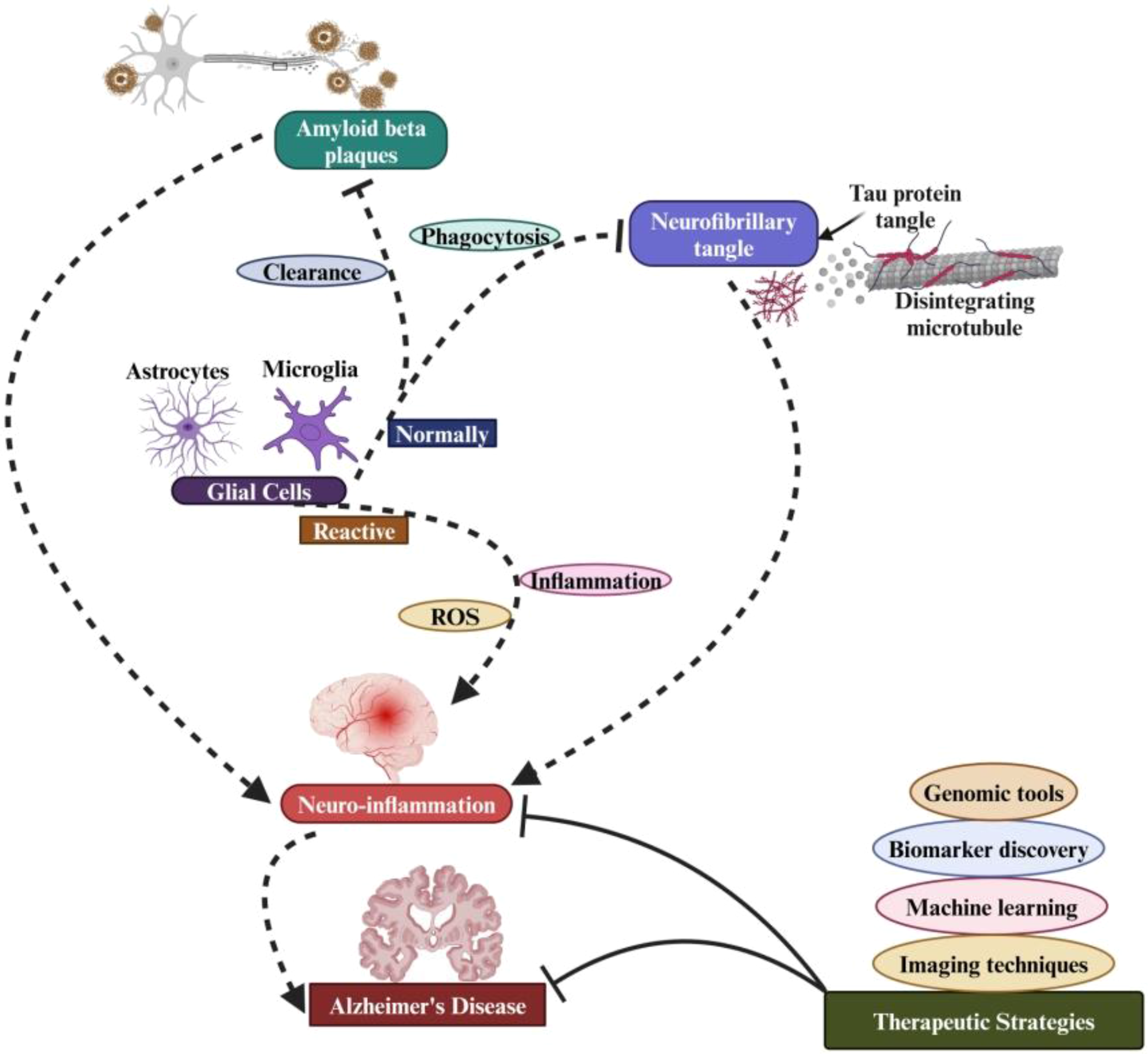
Alzheimer's disease (AD) is characterized by deposition of amyloid-β (Aβ) and neurofibrillary tangles (NFTs) formed by aggregates of hyperphosphorylated tau proteins. It presents a formidable global health challenge, prompting the exploration of innovative therapeutic strategies. This review aims to provide a thorough discussion of astrocytes and microglia to examine whether they are overall beneficial or detrimental for AD on the global level. Based on this, this review describes the treatment solutions that are likely to entail the manipulation of glial cells to reduce inflammation, opting to boost clearance of toxic proteins, thus stabilizing the effects of AD. These glial entities, inherent to the central nervous system, extend their functions beyond structural support, actively engaging in various physiological and pathological processes associated with AD. Both astroglia and microglia contribute significantly to the neuroinflammatory response observed in AD. Reactive astrocytes release inflammatory mediators, while activated microglia release cytokines, chemokines, and reactive oxygen species, collectively assisting a chronic state of neuroinflammation. Additionally, astrocytes partake in the clearance of Aβ, while microglia play a pivotal role in phagocytosing Aβ plaques. In AD, ongoing inflammation may cause a buildup of Aβ, which causes problems with the functions of astroglia and microglia and also worsens these issues with communication between neurons, a key factor in cognitive decline. In addition, there are tremendous opportunities to identify new biomarkers specific to glial disorders, genomic and epigenomic approaches for the selection of patients, using multimodal imaging techniques, and the application of machine learning algorithms in the future for personalized glial-targeted therapies.
This is a visual representation of the abstract.
Review article
Available accessReview articleFirst published June, 2025pp. 1239-1251
Sudhir KshirsagarORCID, Hemalata Deshmukh, Arubala P Reddy , [...]
View All
Abstract
Alzheimer's disease (AD) is a progressive neurodegenerative disorder characterized by cognitive decline, neuroinflammation, oxidative stress, and mitochondrial dysfunction. Despite extensive research efforts, effective curative treatments remain elusive, emphasizing the need for innovative therapeutic strategies. Grounding, or earthing, involves direct physical contact with the Earth's surface to facilitate the absorption of negatively charged electrons into the body. This practice has gained attention for its potential to reduce inflammation, oxidative stress, and cortisol dysregulation, which are significant contributors to AD pathology. This review examines the biological mechanisms by which grounding may influence AD, including its antioxidative effects that mitigate oxidative stress and its anti-inflammatory properties that reduce neuroinflammation. Grounding may also improve sleep quality and stress management, factors known to exacerbate AD progression. Evidence from preclinical and clinical studies highlights its potential to protect neuronal health by targeting oxidative and inflammatory pathways. Additionally, the safety, feasibility, and cost-effectiveness of grounding are discussed, making it a practical complementary approach to existing AD therapies. While the preliminary evidence is promising, the review emphasizes the need for robust clinical trials to validate grounding's efficacy specifically in AD populations. By integrating grounding into standard care protocols, it may be possible to enhance the overall therapeutic outcomes and improve the quality of life for individuals with AD. Grounding represents a novel, non-pharmacological intervention that could complement existing treatments by addressing both the physiological and psychological aspects of this complex disease.
Review article
Available accessReview articleFirst published June, 2025pp. 1252-1274
Francesco Giaquinto, Marika Iaia, Ezia RizziORCID , [...]
View All
Abstract
Background
The prevalence of individuals living with mild cognitive impairment (MCI), Alzheimer's disease (AD), and other forms of dementia is globally increasing. Four out of nine international clinical guidelines recommend non-pharmacological cognitive interventions to enhance cognition, independence, and wellbeing. However, the effectiveness of cognitive rehabilitation (CR) and cognitive training (CT) for individuals with MCI and AD and other forms of dementia is still debatable, often due to significant heterogeneity among studies.
Objective
This study aims to assess the effectiveness of CT and CR in these populations.
Methods
Following PRISMA guidelines, we conducted a comprehensive literature search across databases including OVID, MEDLINE, EMBASE, and Scopus, identifying randomized controlled trials and non-randomized pre-post intervention studies. The Bayesian meta-analysis focused on pre-post changes in global cognition, quality of life, everyday functioning, and depression, avoiding comparisons with control groups to reduce heterogeneity (PROSPERO: CRD42022365038).
Results
The search yielded 6075 results, with 40 studies meeting inclusion criteria, encompassing 50 independent trials. CT and people with AD and other dementias are the best represented intervention and population, respectively. CT was more effective in improving global cognition in individuals with AD and other dementias, and paper-and-pencil and face-to-face formats yielded greater benefits. The analysis showed a significant susceptibility to bias among the studies.
Conclusions
Limitations in outcome measure (e.g., MMSE) suggest the need for more sensitive assessments, especially for MCI. Future research should explore broader aspects of wellbeing and investigate the potential of CR. Policymakers are encouraged to consider these findings when designing cognitive interventions for this population.
Research article
Available accessResearch articleFirst published June, 2025pp. 1275-1281
Alison E FohnerORCID, Colleen M Sitlani, Suman Jayadev , [...]
View All
Abstract
Brain deposition of transactive response DNA-binding protein 43 (TDP-43) is a feature of neurodegenerative syndromes. We evaluated TDP-43 plasma concentrations in 1058 participants in the Cardiovascular Health Study (CHS), a population-based longitudinal cohort. The cohort was 38% male, 11% Black, had a mean age 75 years, and 261 people developed dementia over a mean of 5.5 years of follow up. Median TDP-43 levels were 211.0 pg/mL (IQR: 134.0–341.0 pg/mL). TDP-43 levels were not associated with cross-sectional or longitudinal change in cognitive scores, with plasma AD biomarkers, with brain MRI volumes, with incident dementia, or with demographic characteristics.
Research article
Available accessResearch articleFirst published June, 2025pp. 1282-1288
Natalia SegietORCID, Gabriela PoczątekORCID, Julia DrzazgaORCID , [...]
View All
Abstract
Background
The type and effectiveness of non-pharmacological interventions varies, and there is a great need to develop structured interventions that can be replicated.
Objective
This pilot study aimed to evaluate the effectiveness of a structured cognitive intervention.
Methods
Six participants with a diagnosis of late-onset Alzheimer's disease were recruited, cognitively screened and underwent twelve weeks of paper-pencil based cognitive or computer-based training.
Results
Participant's cognitive functioning improved immediately after the intervention and remained better even after another three months without targeted intervention.
Conclusions
Preliminary observations indicating a positive effect are encouraging, but require confirmation on a larger number of subjects.
Research article
Available accessResearch articleFirst published June, 2025pp. 1289-1297
Moeko Noguchi-Shinohara, Taro Ozaki, Yuta Usui , [...]
View All
Abstract
On January 1, 2024, a major earthquake struck Japan's Noto Peninsula. From 2021 to 2023, we conducted a baseline survey. Four months after the disaster, we conducted a follow-up survey to investigate the relationship between house damage and forgetfulness in older adults without dementia. A total of 923 individuals were included. Among the respondents, 32.2% and 33.8% reported as suffered major house damages and increased forgetfulness, respectively. Multivariate analysis revealed major house damage was significantly associated with self-reported forgetfulness, which are partly mediated through sleep disturbance and sedentary behavior in the cognitively unimpaired and mild cognitive impairment groups, respectively.
Research article
Available accessResearch articleFirst published June, 2025pp. 1298-1308
Elham GhanbarianORCID, Babak KhorsandORCID, Kellen K PetersenORCID , [...]
View All
Abstract
Background
Neuroinflammation actively contributes to the pathophysiology of Alzheimer's disease (AD); however, the value of neuroinflammatory biomarkers for disease-staging or predicting disease progression remains unclear.
Objective
To investigate diagnostic and prognostic utility of inflammatory biomarkers in combination with conventional AD biomarkers.
Methods
Data from 258 participants in the Alzheimer's Disease Neuroimaging Initiative (ADNI) with cerebrospinal fluid (CSF) biomarkers of amyloid-β (Aβ), tau, and inflammation were analyzed. Clinically meaningful cognitive decline (CMCD) was defined as a ≥ 4-point increase on the Alzheimer's Disease Assessment Scale Cognitive Subscore 11. Predictor variables included demographics (D: age, sex, education), APOE4 status (A), inflammatory biomarkers (I), and classic AD biomarkers of Aβ and p-tau181 (C). Models incorporating inflammatory biomarkers assessed their contribution to improving baseline diagnostic classification and 1-year CMCD prediction.
Results
At 1-year follow-up, 27.1% of participants experienced CMCD. Adding inflammatory biomarkers to models with D and A variables (DA model) improved classification of cognitively normal (CN) versus mild cognitive impairment (MCI) and CN versus Dementia (p < 0.001). Similarly, inflammatory markers enhanced classification in models including C (DAC model), for CN versus MCI (p < 0.01) and CN versus Dementia (p < 0.001). Predictive performance for CMCD was improved in individuals with MCI and dementia in both models (all p < 0.05). In addition, the DAI model outperformed the DAC model in predicting CMCD for MCI and Dementia groups (both p < 0.05).
Conclusions
Addition of CSF inflammatory biomarkers to biomarkers of AD improves diagnostic accuracy of clinical disease stage at baseline and add incremental value to AD biomarkers for prediction of cognitive decline.
Research article
Available accessResearch articleFirst published June, 2025pp. 1309-1320
Atherosclerosis contributes to cognitive dysfunction and Alzheimer's disease-related pathologies. Atherogenic index of plasma (AIP) is a novel and composite biomarker can predict atherosclerosis.
Objective
This study aims to (1) examine the association between the AIP and cognitive performance, and (2) explore the mediating role of oxidative stress biomarkers in this relationship.
Methods
1466 participants over the age of 60 were included from 2011–2014 NHANES. AIP was calculated through log-transformed triglyceride to high-density lipoprotein cholesterol ratios. The assessment of cognition was conducted using the Consortium to Establish a Registry for Alzheimer's Disease (CERAD) test. Weighted linear regression model and restricted cubic spline were carried out to determine the associations between AIP and CERAD scores. The mediation analyses were conducted to assess whether oxidative stress mediates the association.
Results
Higher AIP levels were associated with lower CERAD learning scores. The highest quartile of AIP showed a 0.67-fold decrease (95%CI: −1.30, −0.03; p = 0.041) on the CERAD total score than that in the lowest quartile. Each 1-unit increase in AIP corresponded to reductions in CERAD total and delayed recall scores of approximately 1.09 and 0.54 points, respectively, in the sub-population under 70 years. Moreover, 25(OH)D, an oxidative stress indicator, partially mediated 24% of the association between AIP and the CERAD total score.
Conclusions
AIP has the potential to indicate the risk of cognitive aging, especially that for young-old or female older adults. The supplementation of 25(OH)D may reduce atherosclerosis-related cognitive decline, which could provide some strategies for the prevention of dementia.
Research article
Available accessResearch articleFirst published June, 2025pp. 1321-1340
Periodontal disease has two types of inflammatory states: gingivitis and periodontitis. While studies suggest a link between periodontal disease and Alzheimer's disease (AD), current evidence is insufficient to establish causality. This study employed Mendelian randomization (MR) and bioinformatics to investigate causal relationships between gingivitis, periodontitis, and AD types, while identifying diagnostic biomarkers through transcriptome-based bioinformatics approaches.
Objective
This study aims to explore the causal relationship between periodontal disease and AD using MR combined with bioinformatics analysis, investigate potential pathogenesis, and construct/validate diagnostic biomarkers.
Methods
Exposures and outcomes were selected from the Open whole-genome association study. Causal relationships were assessed using inverse variance-weighted (IVW), MR-Egger, and other supplementary methods. Transcriptome sequencing datasets were downloaded from Gene Expression Omnibus datasets. Key pathways and functions were identified through Gene Ontology and Kyoto Encyclopedia of Genes and Genomes analysis. Protein-protein interaction and LASSO regression were used to construct and evaluate the diagnostic signature for early-onset AD (EOAD). Gene Set Enrichment Analysis was applied to analyze gene set enrichment between high and low-risk groups.
Results
IVW showed a positive correlation (OR = 1.161, 95% CI = 1.011–1.332, p = 0.035), and MR-Egger validated this result (OR = 1.296, 95% CI = 1.020–1.645, p = 0.049). These findings suggest that chronic gingivitis may increase EOAD risk. Reverse analysis results were negative. Immune activation, angiogenesis, and blood-brain barrier damage link the two diseases. The Inter-alpha-trypsin inhibitor heavy chain H5 (ITIH5) gene and TGFB pathway emerged in MR and bioinformatics analyses. A gene signature composed of ITIH5, MFAP4, and PRELP shows potential for diagnosing EOAD.
Conclusions
Chronic gingivitis may be associated with an increased risk of EOAD.
Research article
Available accessResearch articleFirst published June, 2025pp. 1341-1354
The alternative splicing (AS) of MAPT, which encodes Tau, in the adult human brain produces six major isoforms that play critical roles in the pathogenesis of tauopathies including Alzheimer's disease. Previous efforts have failed to differentiate human induced pluripotent stem cells (hiPSCs) to cortical neurons expressing the six isoforms of Tau.
Objective
We aim to develop a differentiation method capable of producing the six Tau isoforms in hiPSC-derived cortical neurons.
Methods
We searched for the optimal concentration, duration and treatment window of morphogens in the differentiation of hiPSCs through embryoid bodies (EBs) to dorsal forebrain neuroepithelial cells then to cortical neurons.
Results
The combined inhibition of WNT, SHH, and SMAD signaling in EBs generated neuroepithelial cells expressing appropriate dorsal forebrain markers, while suppressing ventral, midbrain, and hindbrain genes. Further differentiation in neurogenic and neurotrophic factors produced MAP2+ neurons at day 18. The iPSC-derived neurons expressed markers of all cortical layers and exhibited synapse formation and synaptic physiology. In addition, MAP2+ neurons and mitotic cells expressing radial glial markers formed aggregates that could be dissociated to produce mature neurons with similar properties. Most importantly, the six Tau isoforms were expressed from day 80 in a developmentally regulated manner, modeling the situation in human brains on an accelerated timeline.
Conclusions
This chemically defined differentiation method produces a key hallmark of mature human cortical neurons by expressing the six main splicing isoforms of Tau. It will greatly facilitate disease modeling and therapeutic discovery for many human brain disorders involving cortical neurons.
Research article
Available accessResearch articleFirst published June, 2025pp. 1355-1372
Current therapies for cognitive impairment, including Alzheimer's disease (AD) and mild cognitive impairment, are limited by a lack of universal treatment and adverse effects associated with polypharmacy. Investigating genetic and molecular mechanisms underlying cognitive decline is critical for the development of targeted therapeutics.
Objective
To identify causal genes and potential therapeutic targets for cognitive impairment through integrative genomic analyses.
Methods
Genome-wide association study data on cognitive impairment were combined with the expression quantitative trait loci (eQTL) data from the eQTLGen consortium. Mendelian randomization (MR) and colocalization analyses were employed to infer causal relationships. Gene Set Enrichment Analysis and Gene Set Variation Analysis evaluated the pathway and functional differences. Immune cell infiltration patterns and the immunometabolic pathways were assessed, followed by drug target prediction.
Results
MR analysis identified seven gene-eQTL pairs significantly associated with cognitive impairment. SMR colocalization prioritized three key genes: HNMT (histamine metabolism), TNFSF8 (inflammatory signaling), and S1PR5 (sphingolipid signaling). HNMT, TNFSF8, and S1PR5 had 39, 24, and 30 predicted targeted drugs, respectively, including arsenic trioxide, aspirin, and immunomodulators.
Conclusions
This study implicates HNMT, TNFSF8, and S1PR5 as potential therapeutic targets for cognitive impairment. Further validation is required to confirm their clinical relevance.
Research article
Available accessResearch articleFirst published June, 2025pp. 1373-1384
Fasihah Irfani FitriORCID, Boon Lead Tee, Jeanne Gallée , [...]
View All
Abstract
Background
Primary progressive aphasia (PPA) is a neurodegenerative syndrome that impairs language and speech abilities. Limited research exists on PPA in Indonesia, and understanding neurologists’ perspectives is crucial for improving early diagnosis and management.
Objective
This study aimed to assess Indonesian neurologists’ knowledge, attitudes, and practices regarding PPA.
Methods
Indonesian neurologists were invited to complete an online questionnaire covering demographics, clinical experiences, understanding of PPA variants and treatments, attitudes toward diagnosis, and current clinical practices.
Results
A total of 192 neurologists completed the survey, predominantly aged 31–40 years (53.15%) with over five years of experience (61.5%). Many reported limited experience with PPA: with 43.8% had never encountered progressive language impairment, and 81.3% had not diagnosed PPA. While knowledge of PPA symptoms and variants was strong, gaps remained, particularly in specific clinical features. Participants recognized the importance of comprehensive assessments and multidisciplinary care, but inconsistencies in evaluations and referrals revealed a gap between knowledge and practice.
Conclusions
While Indonesian neurologists have a foundational understanding of PPA, there are significant gaps in recognizing variant-specific features, assessment methods, and referral pathways. Addressing these gaps through targeted education and improved diagnostic tools is essential for enhancing patient care.
Research article
Available accessResearch articleFirst published June, 2025pp. 1385-1399
The involvement of microglia is likely to be pivotal in the pathogenesis of Alzheimer's disease (AD) by modulating the deposition of amyloid-β (Aβ) plaques. The deletion of Dedicator of cytokinesis 8 (DOCK8) has a protective effect in mouse with neurodegenerative diseases.
Objective
To explore the underlying mechanism of DOCK8 in AD.
Methods
In present study, we first the detected the expression of DOCK8 in the hippocampal tissue of APP/PS1 mice. Then, the expression of DOCK8 was knocked down in the hippocampal tissue of APP/PS1 mice, and the effects of DOCK8 down-regulation on cognitive function, the microglia migration around Aβ plaques, and the cell division cycle 42 (Cdc42)/p38 mitogen-activated protein kinase (MAPK) signaling pathway were detected. Next, the effects of DOCK8 knockdown on Aβ-induced migration and activation of BV-2 cells as well as the MAPK signaling pathway were detected. Finally, the transcriptional regulation of DOCK by transcription factor 3 (ATF3) was detected by a dual luciferase reporter assay.
Results
DOCK8 expression exerts a significant upregulation in the hippocampus of APP/PS1 mice. However, following the DOCK8 knockdown, there was a significant recovery in the results of the behavioral tests and a notable reduction in microglial expression. Moreover, the high expression of DOCK8 mediated by ATF3 successfully triggered the Cdc42/p38 MAPK signaling pathway, thereby enhancing the migration and recruitment of microglia towards senile plaques, accelerating the production of Aβ plaques.
Conclusions
ATF3-mediated high expression of DOCK8 accelerates the production of Aβ plaques, and participates in the pathogenesis of AD.
Research article
Available accessResearch articleFirst published June, 2025pp. 1400-1412
The triglyceride-glucose (TyG) index is considered a robust surrogate for insulin resistance (IR). The relationship between the trajectory patterns of the TyG index and subsequent brain structure changes is still unclear.
Objective
This study investigates the relationship between 10-year trajectories of TyG-related indices and brain structural integrity in a 10-year follow-up.
Methods
This prospective study included 898 participants (mean age 55.6 years, 34.4% males) from the community-based Shunyi Study. IR was assessed using the TyG index, TyG-body mass index (BMI) index, TyG-waist circumference index, and TyG-waist-to-height ratio (WHtR) index. The group-based trajectory model was employed to identify the 10-year trajectories. Structural brain measurements included structural changes of the whiter matter (white matter hyperintensities (WMHs), fractional anisotropy, and mean diffusivity) and gray matter (brain parenchymal fraction (BPF), cortical thickness, and hippocampal volume). General linear models were utilized to examine the association between the trajectory patterns of TyG-related indices and brain structure.
Results
Three distinct trajectories of TyG-related indices were identified from 2013 to 2023. The high-level trajectory groups of TyG-related indices exhibited a greater volume of WMHs and were more susceptible to disruptions in white matter microstructural integrity. This association was most significant for the TyG-BMI and TyG-WHtR trajectory groups. No significant correlations were found for BPF and cortical thickness among the different TyG-related indices trajectories.
Conclusions
The findings suggest that long-term IR primarily damages brain white matter rather than causing structural changes in gray matter.
Research article
Open accessResearch articleFirst published June, 2025pp. 1413-1431
Sofie M De WandelORCID, Nicolaas EP DeutzORCID, Sarah K KirschnerORCID , [...]
View All
Abstract
Background
Skeletal muscle weakness and mild cognitive impairment (MCI) commonly occur with aging.
Objective
We examined whether presence of chronic morbidities in MCI is associated with specific alterations in muscle health, functional capacity, and whole body amino acid kinetics.
Methods
A group of 247 older adults were stratified into MCI/non-MCI (Montreal Cognitive Assessment) and presence/absence of chronic diseases. We measured lean mass by dual-energy x-ray absorptiometry, strength by dynamometry, and functional capacity by 6-min walk test. Postabsorptive whole body production (WBP) of amino acids were assessed by pulse administration of a mixture of 18 amino acid stable isotopes.
Results
MCI was associated with lower lean mass, functional capacity (p < 0.003), and WBP of arginine, glycine, leucine, and phenylalanine to tyrosine conversion (reflecting net protein breakdown (net PB)) but higher WBP of taurine (all p < 0.05). Presence of chronic morbidities was associated with lower muscle strength, WBP of glycine, and net PB (p < 0.0001), but higher WBP of phenylalanine, glutamate, taurine, tryptophan, and leucine (all p < 0.05). MCI*chronic morbidity interactions were found for muscle strength and net PB (p < 0.0001), with the lowest values in MCI with chronic morbidities.
Conclusions
Presence of MCI and chronic morbidities in the older population affect different markers of muscle health and functional decline. Individuals with both MCI and chronic morbidities are at increased risk for severe muscle weakness likely related to a severe downregulation of glycine production and net protein breakdown. Therefore, it is important to consider the presence of chronic morbidities when investigating muscle health and functional capacity in MCI.
Research article
Available accessResearch articleFirst published June, 2025pp. 1432-1446
Alzheimer's disease (AD) is the most prevalent neurodegenerative disorder characterized by cognitive deficit and pathological accumulation of amyloid-β (Aβ) and tau proteins. The rodent models have contributed greatly to unravel AD pathogenesis, but these AD models have been shown a modest clinical translational effectiveness.
Objective
Therefore, developing mass-producible primate AD models is promising for more effective drug development.
Methods
Here, we constructed the AD monkey models by simultaneously infusing AAV-Tau and Aβ into different brain regions.
Results
The induced monkeys showed a durable cognitive impairment lasting for at least 10 months after the modeling. Simultaneously, the increased levels of total tau and hyperphosphorylated tau (pTau) at several AD-associated sites, and neurofilament light chains (NfL) with altered Aβ level were detected at different time points in cerebrospinal fluid and/or plasma by using MSD kits. The increased brain accumulation of Aβ and tau proteins was also detected by positron emission tomography/magnetic resonance imaging and immunohistochemical staining. The model monkeys also had significant glial activation; an indicator of inflammation commonly seen in the brains of AD patients.
Conclusions
Together, this study provides mass-producible monkey models showing durable AD-like hallmark pathologies (Aβ, tau, NfL, i.e., ATN) and cognitive deficits. As monkeys are genetically and metabolically the closest to humans, these models will offer more effective drug discovery and development for AD.
Research article
Available accessResearch articleFirst published June, 2025pp. 1447-1459
Ileana De Anda-DuranORCID, Phillip H HwangORCID, Deborah AG DrabickORCID , [...]
View All
Abstract
Background
Neuropsychological (NP) assessment is crucial for diagnosing prodromal and Alzheimer's disease and related dementia (ADRD) syndromes. Yet, traditional NP scores often overlook errors and the process by which summary scores are obtained; information that can provide deeper insights into cognitive impairments and clinical heterogeneity.
Objective
To classify community-dwelling adults into neurocognitive phenotypes, identify NP test errors and processes that differentiate between groups, and explore their association with brain imaging measures.
Methods
Framingham Heart Study (FHS) data were analyzed, focusing on NP summary scores and errors derived from the Boston Process Approach. Latent class analysis identified distinct neurocognitive phenotypes. Regression analyses assessed the relationships with NP errors and brain MRI measures.
Results
A total of 1195 participants (mean age 69.6 and 56.3% women) were included. Cognitively normal (CN), moderate-mixed, and dysexecutive impairment groups were identified. The number of Trail Making Test – Part B (TMT-B) pen lifts and TMT-B examiner-corrected errors were associated with the dysexecutive phenotype and differentiated it from the CN group (OR = 1.39, 95% CI = 1.28–1.52, p < 0.001, AUC = 0.85 and OR = 3.40, 95% CI = 2.65–4.38, p < 0.001, AUC = 0.92; respectively). Similarly, Boston Naming Test (BNT) circumlocution errors were associated with the moderate-mixed phenotype and differentiated it from the CN group (OR = 1.87, 95% CI = 1.49–2.35, p < 0.001, AUC = 0.81). These scores were significantly associated with reduced hippocampal volumes.
Conclusions
Detailed NP error and process analysis enhances traditional methods, offering a comprehensive approach to identifying and understanding cognitive impairments.




 Available accessEditorialFirst published June, 2025pp. 1035-1036